
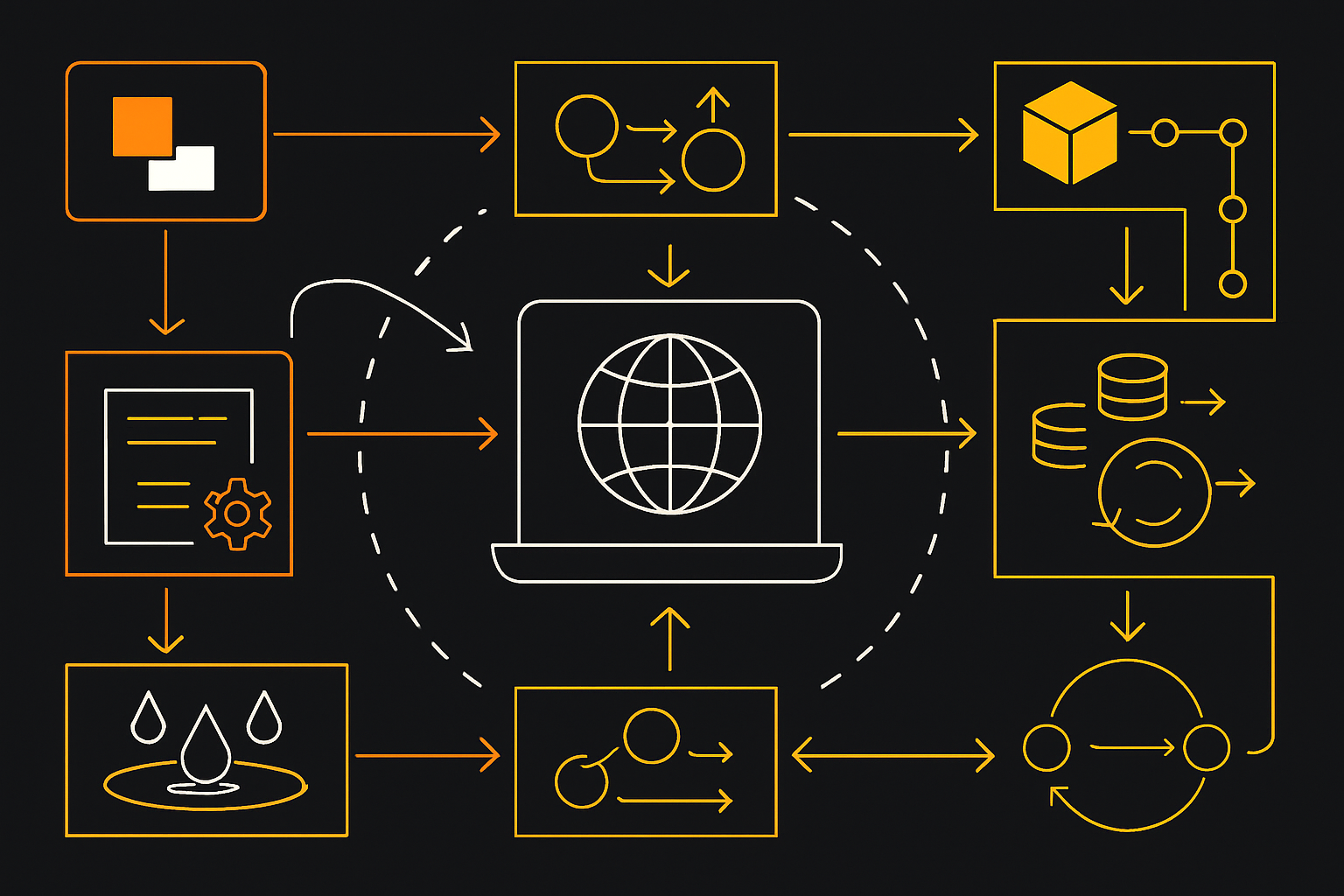
Ethereum’s restaking revolution is rapidly reshaping how users interact with the network, and liquid restaking protocols like Ekox are at the center of this transformation. In a market where Ethereum (ETH) is trading at $4,045.05, with a 24-hour change of and $128.75 ( and 0.0329%), the demand for capital efficiency and simplified staking participation has never been higher. For those seeking to maximize yield without navigating validator complexities or locking up capital, Ekox’s approach to EigenLayer participation is a game changer.
Restaking: The Next Phase in Ethereum’s Staking Evolution
Traditional Ethereum staking requires validators to lock up 32 ETH, a significant barrier for many users. EigenLayer has disrupted this model by enabling restaking: users can now reutilize their staked ETH or liquid staking tokens (LSTs) to secure additional networks and participate in Actively Validated Services (AVSs). This not only amplifies the utility of staked assets but also introduces new risk-reward dynamics for participants.
Yet, direct participation in EigenLayer can still be complex for retail users. Selecting operators, managing AVS exposure, and handling reward distribution all add operational overhead. This is where liquid restaking protocols like Ekox step in, abstracting away the technical friction while unlocking new layers of DeFi utility.
How Ekox Simplifies EigenLayer Access
Ekox’s liquid restaking protocol allows users to deposit ETH and instantly receive eXETH tokens. These tokens represent a user’s stake in both Ethereum’s consensus layer and EigenLayer’s AVSs. The beauty of eXETH lies in its dual nature: it accrues both Ethereum staking yields and EigenLayer AVS rewards automatically, all while remaining fully fungible as an ERC-20 asset.
This means users can:
- Earn dual rewards without manual intervention
- Maintain liquidity, as eXETH can be traded or used across DeFi protocols
- Avoid the technical hurdles of running or delegating to validators
- Benefit from auto-compounding rewards, increasing capital efficiency over time
Ekox effectively democratizes access to EigenLayer by pooling user deposits, handling AVS selection, and distributing rewards seamlessly. This is particularly attractive for users asking how to restake ETH without 32 ETH or for those entering restaking for the first time.
The Mechanics Behind eXETH: Liquidity Meets Security
The innovation behind liquid restake tokens like eXETH is their composability within DeFi. As ERC-20 assets, eXETH tokens can be supplied as collateral for lending, used in automated market makers, or integrated into yield strategies - all while continuing to accrue underlying staking rewards. This level of liquidity was previously unavailable for traditional stakers or even early LST holders.
Moreover, Ekox handles validator pooling and operator diversification on behalf of its users. By spreading risk across multiple operators and AVSs, the protocol enhances both security and reward potential. This approach not only reduces single-point-of-failure risks but also aligns with best practices for resilient DeFi portfolio construction.
The net result? Users can participate in advanced restaking strategies without deep technical knowledge or large capital commitments - all while tracking real-time performance as ETH maintains its position above $4,000.
For a deeper dive into how liquid restake tokens like eXETH enhance DeFi utility on EigenLayer, check out our dedicated guide: How Liquid Restaking Tokens Like eXETH Enhance DeFi Utility on EigenLayer.
What does the future hold for liquid restaking protocols as Ethereum continues its upward trajectory?
Explore our professional outlook below.
Ethereum (ETH) Price Prediction 2026-2031
Forecast based on the impact of liquid restaking protocols like Ekox, EigenLayer adoption, and evolving DeFi participation
| Year | Minimum Price | Average Price | Maximum Price | % Change (Avg, YoY) | Market Scenario |
|---|---|---|---|---|---|
| 2026 | $3,800 | $5,100 | $7,200 | +26% | Growth driven by mass adoption of restaking, ETH as DeFi collateral |
| 2027 | $4,100 | $5,900 | $8,400 | +15.7% | Continued DeFi integration, regulatory clarity, L2 scaling |
| 2028 | $4,600 | $6,800 | $10,200 | +15.3% | Ethereum upgrades, mainstream institutional adoption |
| 2029 | $5,100 | $7,600 | $12,000 | +11.8% | Competition from L1s, robust AVS ecosystem, global macro tailwinds |
| 2030 | $5,500 | $8,400 | $13,800 | +10.5% | ETH as core digital asset, mature staking and restaking market |
| 2031 | $6,000 | $9,100 | $15,500 | +8.3% | ETH embedded in global finance, high network effects |
Price Prediction Summary
Ethereum is positioned for significant growth through 2031, underpinned by innovations in restaking and liquid staking protocols like Ekox and EigenLayer. These technologies drive new demand for ETH and expand its utility within DeFi and Actively Validated Services (AVSs). While volatility remains, the average price trend is upward, with the 2031 average price forecasted at $9,100, a 125% increase over the 2025 baseline. Bullish scenarios reflect aggressive adoption and favorable macro conditions; bearish scenarios account for regulatory or technological headwinds.
Key Factors Affecting Ethereum Price
- Adoption of liquid restaking protocols (Ekox, EigenLayer) increasing ETH utility and demand
- Continued growth of DeFi and AVS ecosystems
- Ethereum network upgrades (scalability, security, efficiency)
- Regulatory developments in major markets (US, EU, Asia)
- Competition from other L1 and L2 blockchains
- Macro-economic trends affecting risk assets
- Institutional adoption and integration of ETH in traditional finance
Disclaimer: Cryptocurrency price predictions are speculative and based on current market analysis. Actual prices may vary significantly due to market volatility, regulatory changes, and other factors. Always do your own research before making investment decisions.
Ekox’s model is also a prime example of how the Ethereum staking ecosystem is evolving to meet the demands of both retail and institutional participants. By abstracting away the operational complexity of EigenLayer validator management, Ekox enables users to focus on strategy and capital allocation rather than technical minutiae. The protocol’s automated reward compounding and risk management features make it a compelling choice for those who want exposure to dual yield streams without the hassle of active participation.
Capital Efficiency and DeFi Composability
One of the most powerful aspects of liquid restaking protocols like Ekox is their ability to unlock new layers of capital efficiency. With Ethereum trading at $4,045.05, the opportunity cost of locking up assets is significant. eXETH mitigates this by remaining liquid and composable, allowing users to deploy their staked assets across DeFi platforms for lending, borrowing, or liquidity provision, all while continuing to earn both staking and AVS rewards.
Key Benefits of Choosing Ekox for EigenLayer Participation
- Dual Rewards Earning: Ekox enables users to earn both Ethereum staking yields and additional incentives from EigenLayer's Actively Validated Services (AVSs) by restaking ETH or liquid staking tokens.
- Seamless Liquidity with eXETH: Upon depositing ETH, users receive eXETH tokens, fully fungible ERC-20 assets that represent their stake and can be freely traded, lent, or used in DeFi protocols.
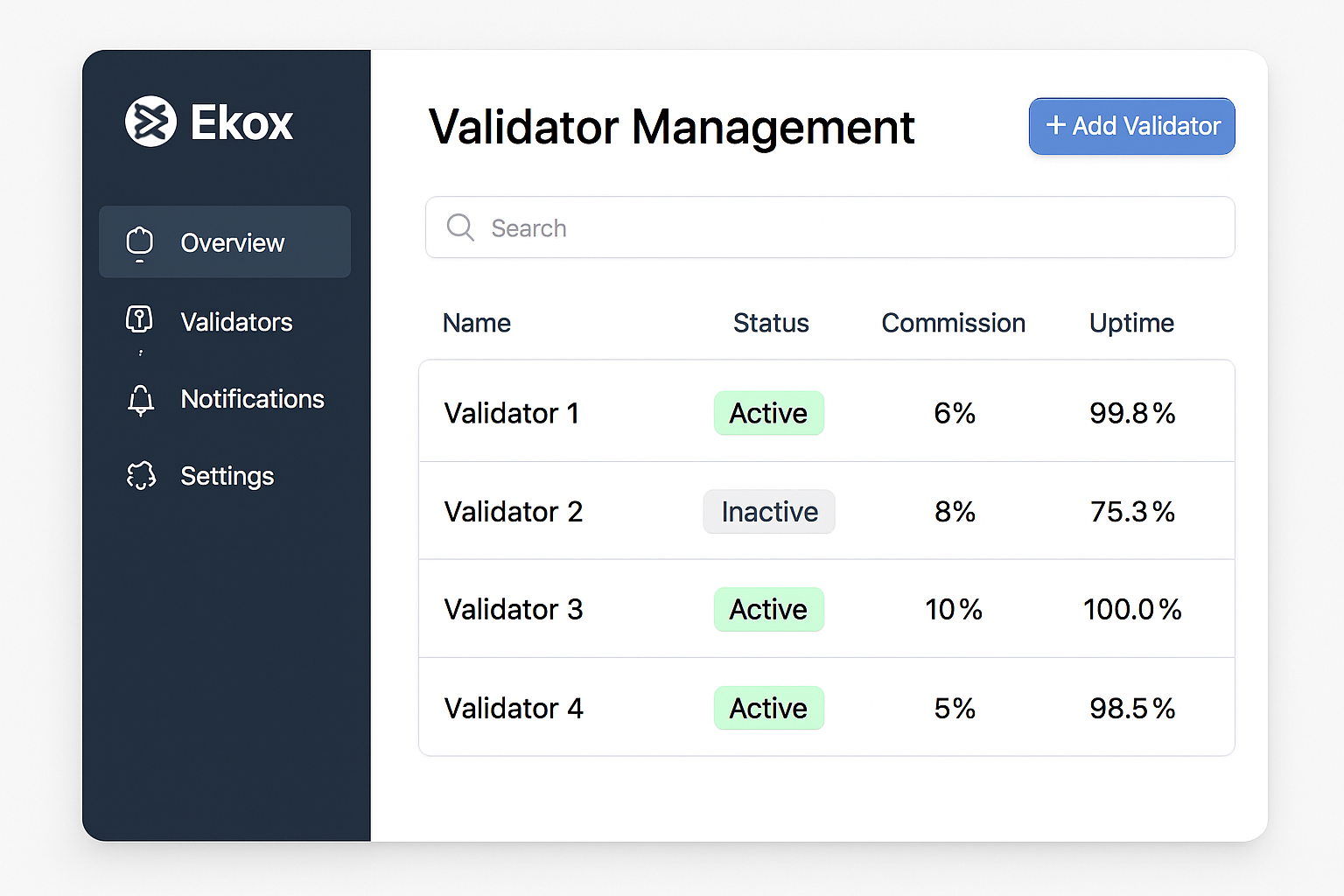
- No Validator Management Required: Ekox abstracts away the technical complexities of running validators or manually selecting AVSs, making EigenLayer participation accessible to all users.
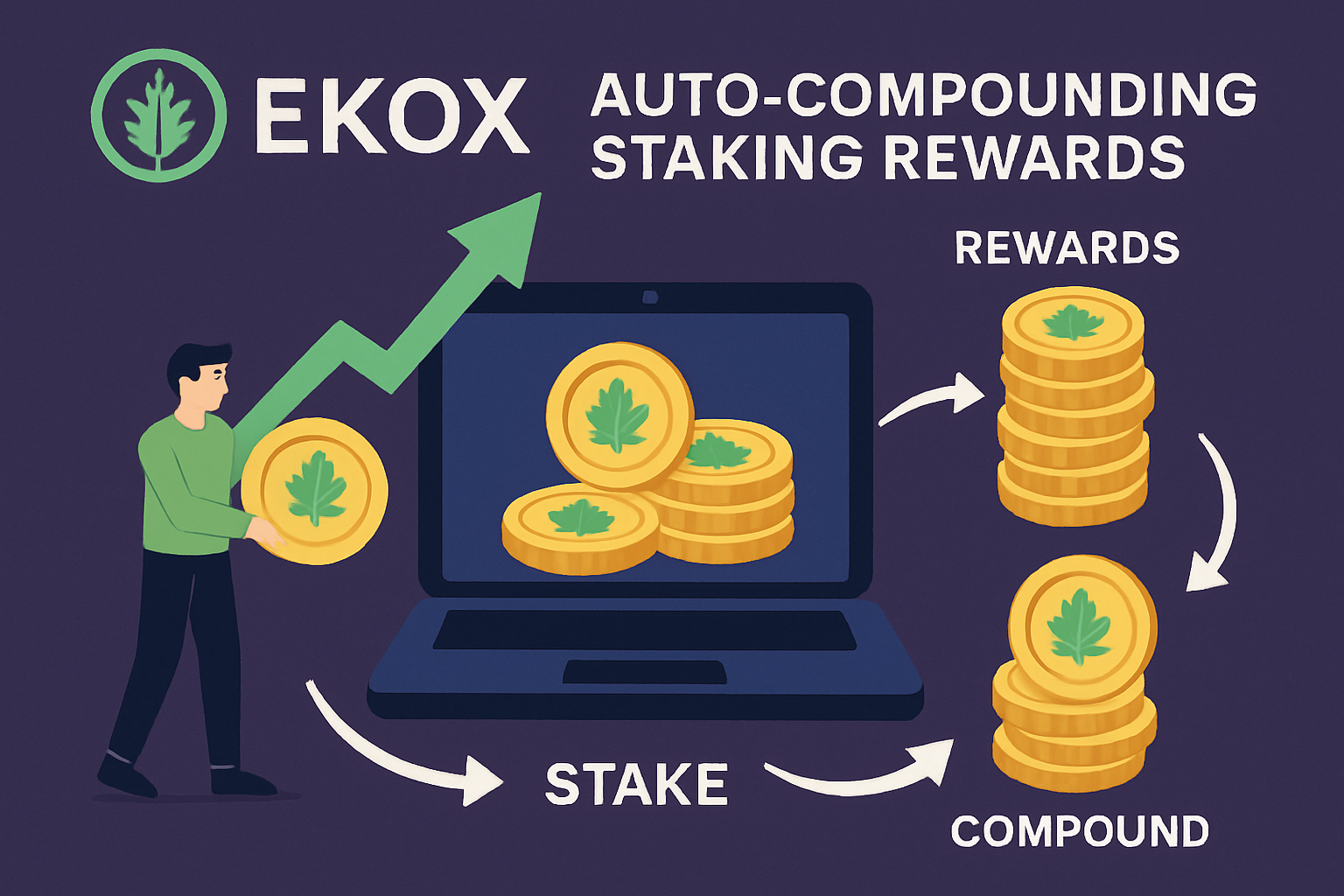
- Auto-Compounding Rewards: Rewards are automatically compounded into the value of eXETH, eliminating the need for manual claims and enhancing capital efficiency.
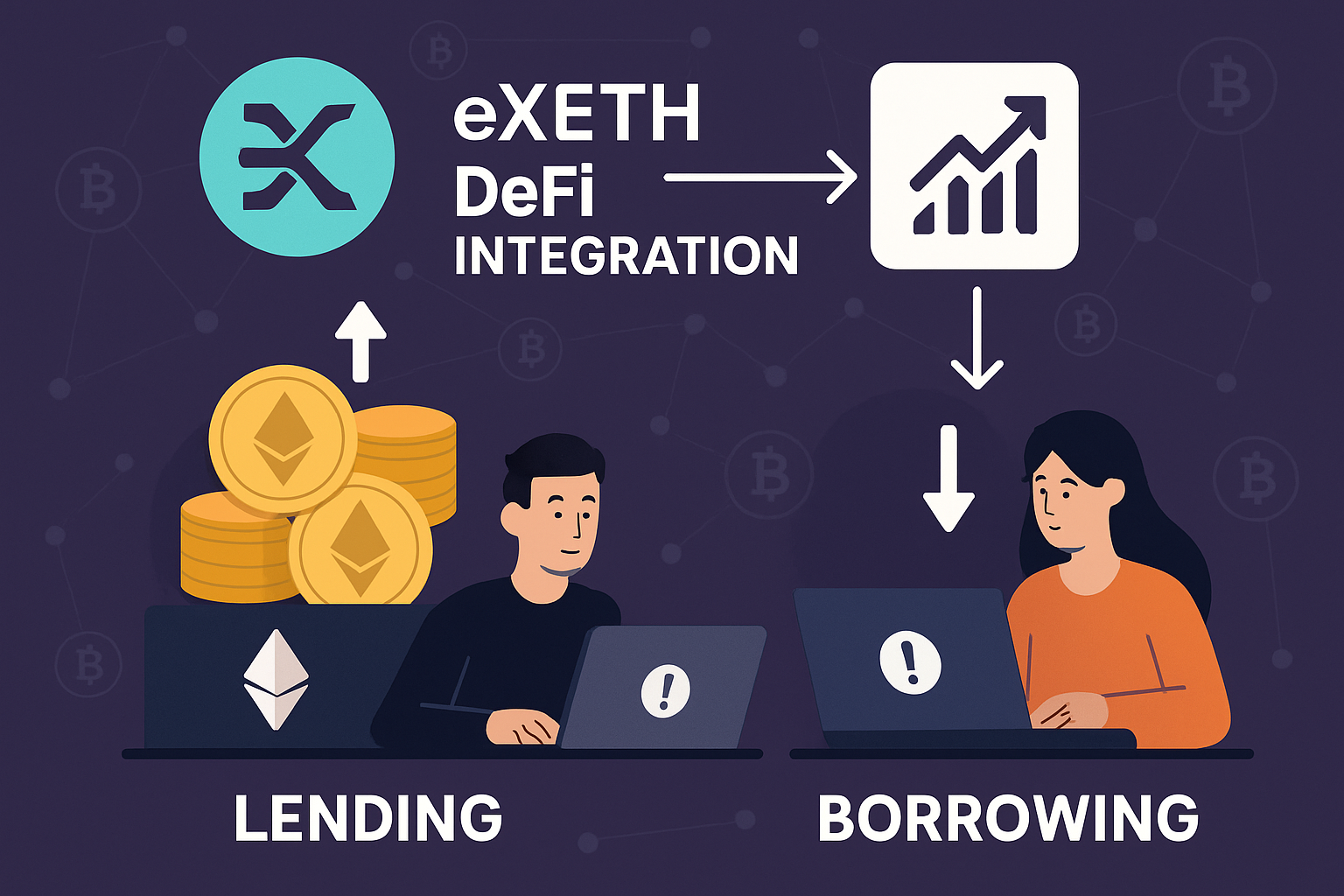
- Direct Integration with DeFi: eXETH tokens can be integrated into a wide range of DeFi platforms for lending, borrowing, and trading, maximizing capital utility.
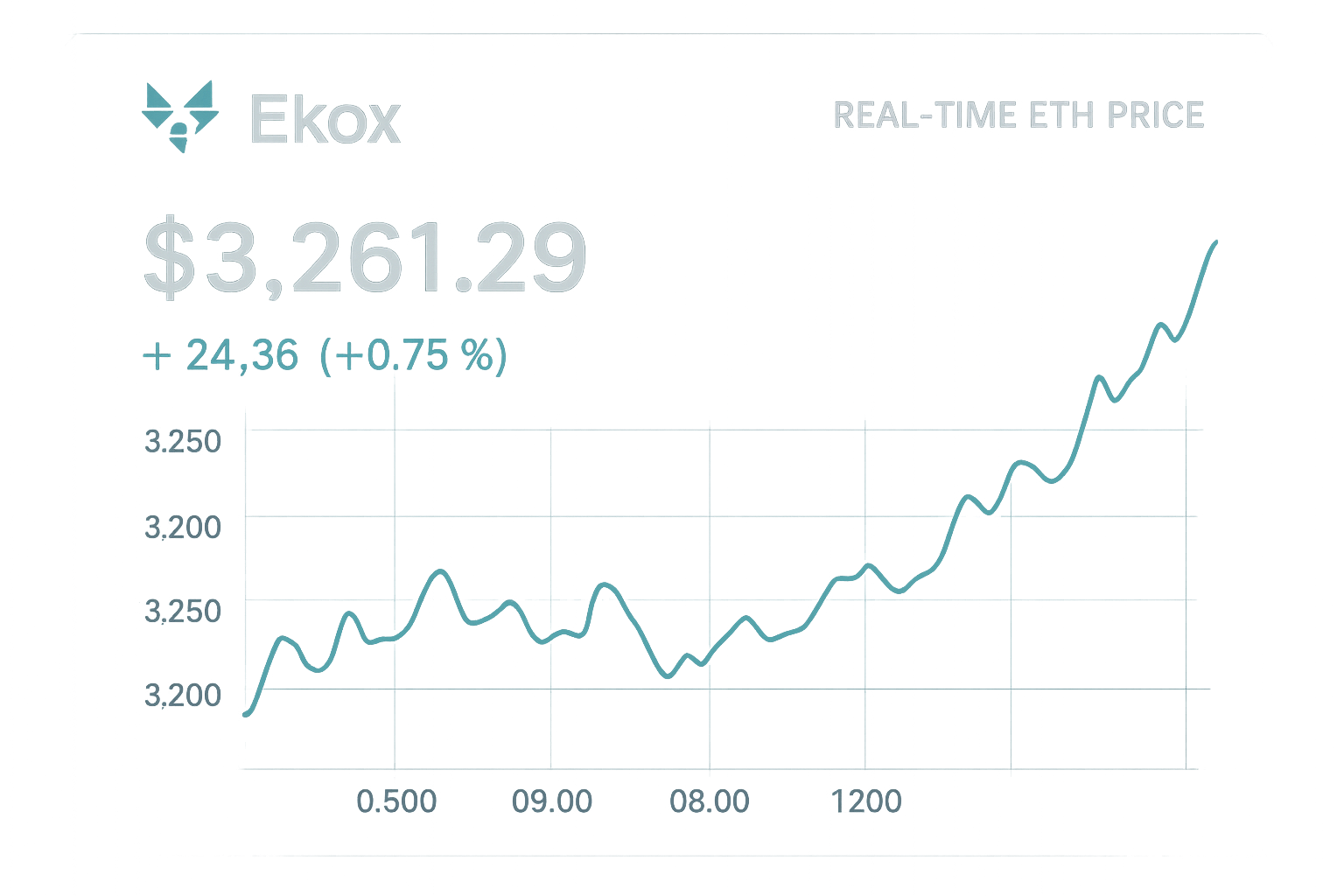
- Transparent and Data-Driven Approach: Ekox provides real-time data and transparent reporting, with ETH currently priced at $4,045.05 (as of 2025-10-20), supporting informed participation decisions.
This flexibility is particularly attractive in volatile markets, where rapid reallocation of assets can be crucial. Users no longer need to choose between staking yields and DeFi opportunities; with liquid restake tokens, they can pursue both simultaneously. The integration of eXETH into major DeFi protocols further expands its utility, making it a cornerstone asset for sophisticated yield strategies.
Risks and Considerations
While the benefits of liquid restaking protocols are clear, users must remain cognizant of the risks. Smart contract vulnerabilities, operator mismanagement, and AVS-specific risks can impact returns or principal. Ekox addresses these through rigorous audits, transparent reporting, and diversified operator selection, but due diligence remains essential. Always assess the protocol’s security practices and monitor evolving risks as the restaking landscape matures.
For those new to restaking or seeking to optimize their approach, educational resources and community engagement are vital. Protocols like Ekox often provide documentation and analytics dashboards to help users understand their exposures and rewards. As restaking becomes more mainstream, expect further innovations in user experience and risk mitigation.
What’s Next for Liquid Restaking?
The trajectory for liquid restaking protocols is promising. As Ethereum’s ecosystem grows and more AVSs launch on EigenLayer, the demand for flexible, capital-efficient staking solutions will only intensify. Ekox and its peers are well-positioned to capture this momentum, especially as ETH continues to trade above the $4,000 mark. For both beginners and seasoned DeFi participants, liquid restake tokens like eXETH offer a gateway to advanced yield strategies and a more resilient staking portfolio.
Curious about the fundamentals and practical steps to get started? Explore our FAQ for EigenLayer Restaking Beginners for clear, actionable guidance.




No comments yet. Be the first to share your thoughts!