
EigenLayer AVS Budget Fit
Choosing an EigenLayer AVS involves balancing upfront development costs against long-term security premiums. Unlike standard staking, running an AVS node requires specialized hardware to handle the increased computational load of restaked validation. This creates a distinct budget curve where initial setup is higher, but operational efficiency can improve as the network matures.
Hardware and Infrastructure Costs
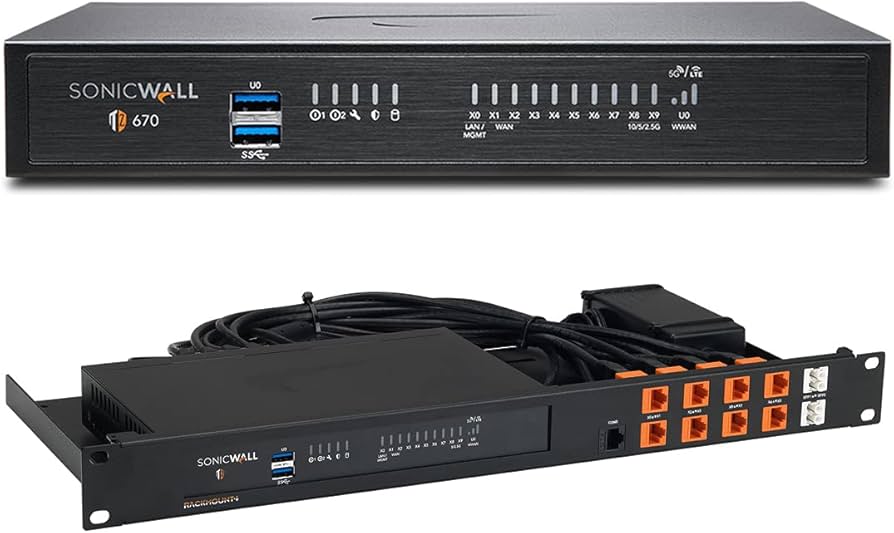
The primary budget driver is your node infrastructure. AVS operators typically need high-performance CPUs and fast NVMe storage to meet the strict latency requirements of slashing conditions. You will need to factor in cloud hosting fees or dedicated server costs, which vary significantly based on whether you choose a managed VPS or a bare-metal solution. For most operators, a mid-range dedicated server offers the best balance of performance and cost.
Software and Maintenance Expenses
Beyond hardware, you must budget for software maintenance and monitoring tools. AVS codebases are complex, requiring regular updates to patch vulnerabilities and optimize performance. Many operators invest in third-party monitoring services to detect slashing risks early, which adds a monthly recurring cost. However, this expense is often outweighed by the potential loss from a single slashing event, making it a necessary part of the budget.
Opportunity Cost and Staking Requirements
The most significant budget consideration is the opportunity cost of your staked ETH. By restaking, you lock up assets that could otherwise be used for other DeFi yield strategies. While EigenLayer offers incentives, they are not guaranteed and fluctuate with network demand. You must calculate whether the expected AVS rewards justify tying up your capital for an extended period, especially given the technical risks involved.

As an Amazon Associate, we may earn from qualifying purchases.
Compare the strongest EigenLayer AVS options
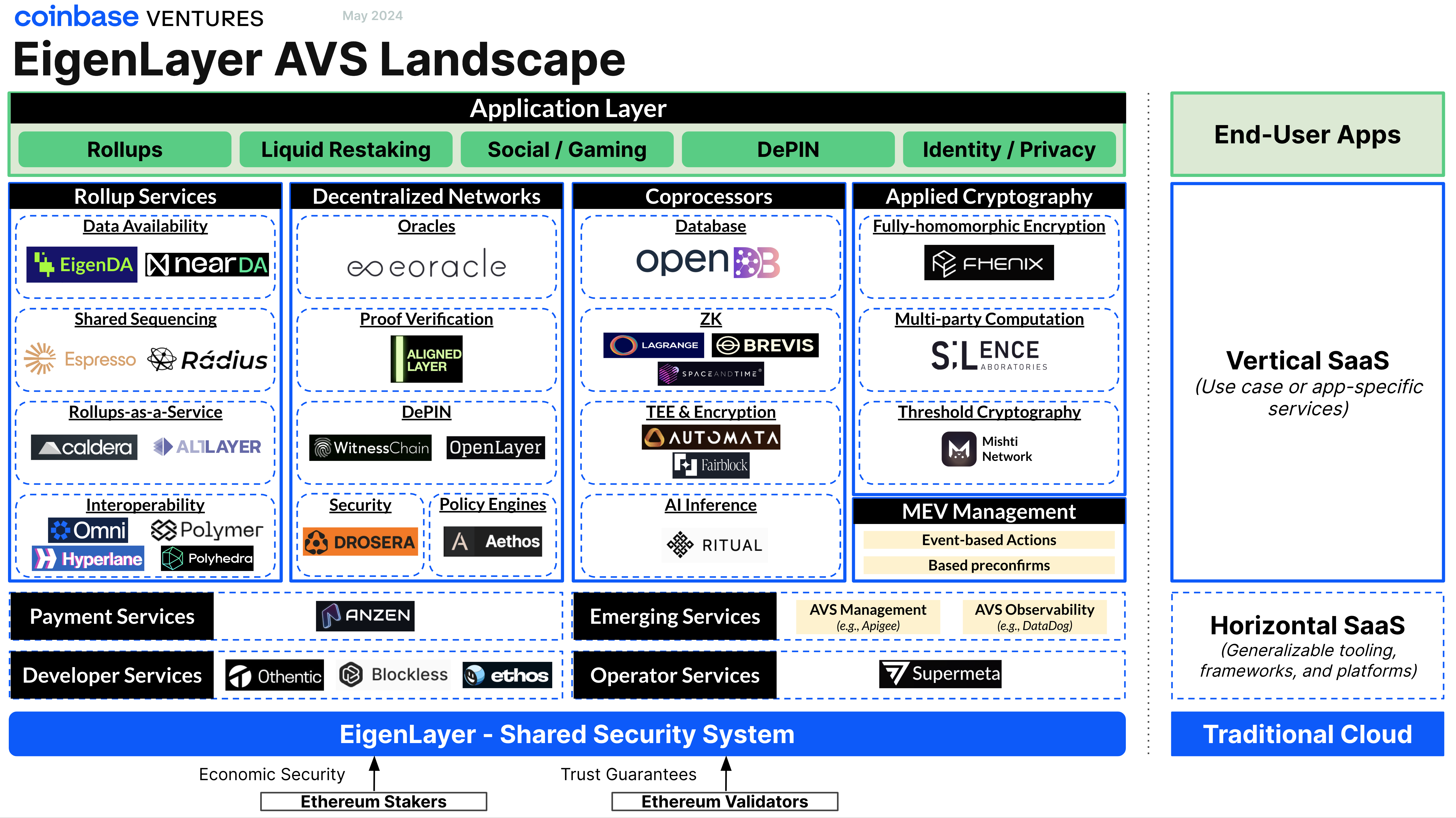
The AVS landscape on EigenLayer has matured from experimental testnets to production-grade services. Choosing the right AVS depends on whether you need automation, data availability, or specialized consensus mechanisms. Each service leverages restaked ETH to provide security that is distinct from Ethereum’s base layer.
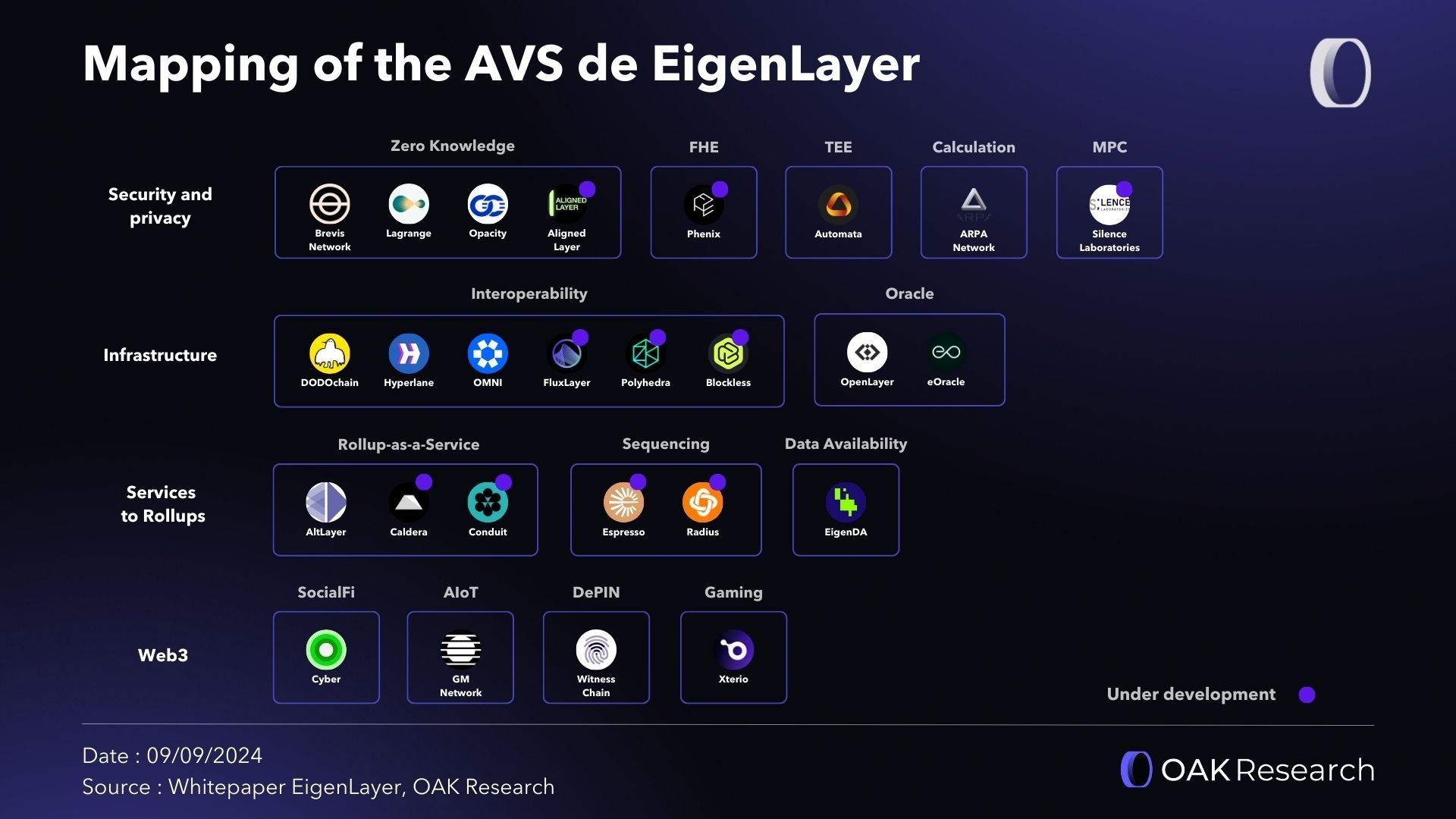
The following comparison highlights three prominent AVS categories currently shaping the ecosystem. These options represent the most active areas of development, ranging from on-chain automation to decentralized oracle networks.
| Service Type | Primary Use Case | Security Model | Current Stage |
|---|---|---|---|
| Ava Protocol | On-chain automation & smart contract execution | Restaked ETH + slashing conditions | Production-ready |
| Chainlink CCIP | Cross-chain messaging & data transfer | Restaked ETH + existing oracle network | Mainnet deployed |
| EigenDA | Scalable data availability for rollups | Restaked ETH + erasure coding | Beta/Testing |
Ava Protocol stands out for developers seeking to automate complex smart contract interactions. By using restaked ETH, it provides a cost-effective alternative to traditional oracles for execution-heavy tasks. Its Go-based architecture allows for rapid deployment and integration with existing Ethereum tooling.
Chainlink CCIP represents the bridge between isolated blockchains. While it has its own native token, its integration with EigenLayer allows restakers to secure cross-chain messages. This is critical for applications that need to move assets or data between Ethereum and other L1s without relying on centralized bridges.
EigenDA focuses on the data availability layer, a common bottleneck for Layer 2 rollups. By offering cheaper and more scalable data storage, it allows rollups to reduce their gas costs. Restakers contribute storage space, earning rewards while helping to secure the availability of transaction data for other networks. When evaluating these options, consider the specific needs of your application. Automation services like Ava are ideal for dynamic smart contracts. Cross-chain tools like CCIP are essential for multi-chain DeFi. Data availability solutions like EigenDA are crucial for scaling rollups. The right choice depends on your technical requirements and risk tolerance.
Inspect the expensive failure points
When deploying or integrating with an EigenLayer AVS, the cost of failure is rarely just gas fees. It is the loss of staked principal or the devaluation of restaked assets. Most AVS architectures rely on shared security, meaning a vulnerability in your service’s consensus logic can trigger slashing events that penalize the entire ecosystem of restakers. To protect capital, you must treat your AVS code like a high-voltage electrical system: assume a spark will happen and build the insulation around it.
Audit the consensus and signing logic
The most common attack vector for AVSs is not the smart contract, but the off-chain signing process. If your AVS requires nodes to sign messages that are then aggregated on-chain, ensure the message format is unambiguous. Ambiguity allows replay attacks or signature substitution. Verify that your middleware strictly validates the EIP-712 domain separator and that the payload cannot be reused across different AVS contexts.
Verify the slashing conditions
Slashing is the nuclear option of crypto-economic security. Before mainnet deployment, simulate slashing scenarios in a local testnet environment. Ensure that your slashing conditions are binary and indisputable: a node either committed fraud or it did not. Avoid complex economic penalties that require off-chain arbitration, as these delay justice and expose restakers to prolonged risk. Clear, automated penalties build trust with the restaking community.
Stress-test the data availability layer
AVSs often depend on external data or oracle feeds to function. If your AVS requires high-frequency data updates, test how it behaves during network congestion. A delay in data availability can cause honest nodes to miss signing windows, leading to unnecessary downtime or, worse, accidental slashing. Ensure your fallback mechanisms are robust and that your nodes can operate independently if the primary data source goes offline.
Review the economic incentives
Your AVS must offer a compelling reason for restakers to allocate their capital to you. If the rewards do not outweigh the risk of slashing, you will fail to attract sufficient security. Conversely, if the rewards are too high, you may attract malicious actors who are willing to risk their stake to exploit your system. Balance the incentive structure carefully to ensure long-term sustainability without inviting exploitation.
Verify EIP-712 domains and prevent signature replay attacks in your off-chain middleware.
Run binary slashing tests on testnet to ensure penalties are automated and indisputable.
Test node behavior during network congestion to prevent accidental slashing from data delays.
Plan for ownership costs
A low purchase price rarely reflects the true cost of running an EigenLayer AVS. The initial capital outlay is just the entry fee; the ongoing expenses for infrastructure, security audits, and operational maintenance often exceed the initial buy price within the first year. Understanding these hidden costs helps you avoid the trap where a cheap solution becomes expensive due to poor efficiency or frequent downtime.
Infrastructure and Compute Overhead
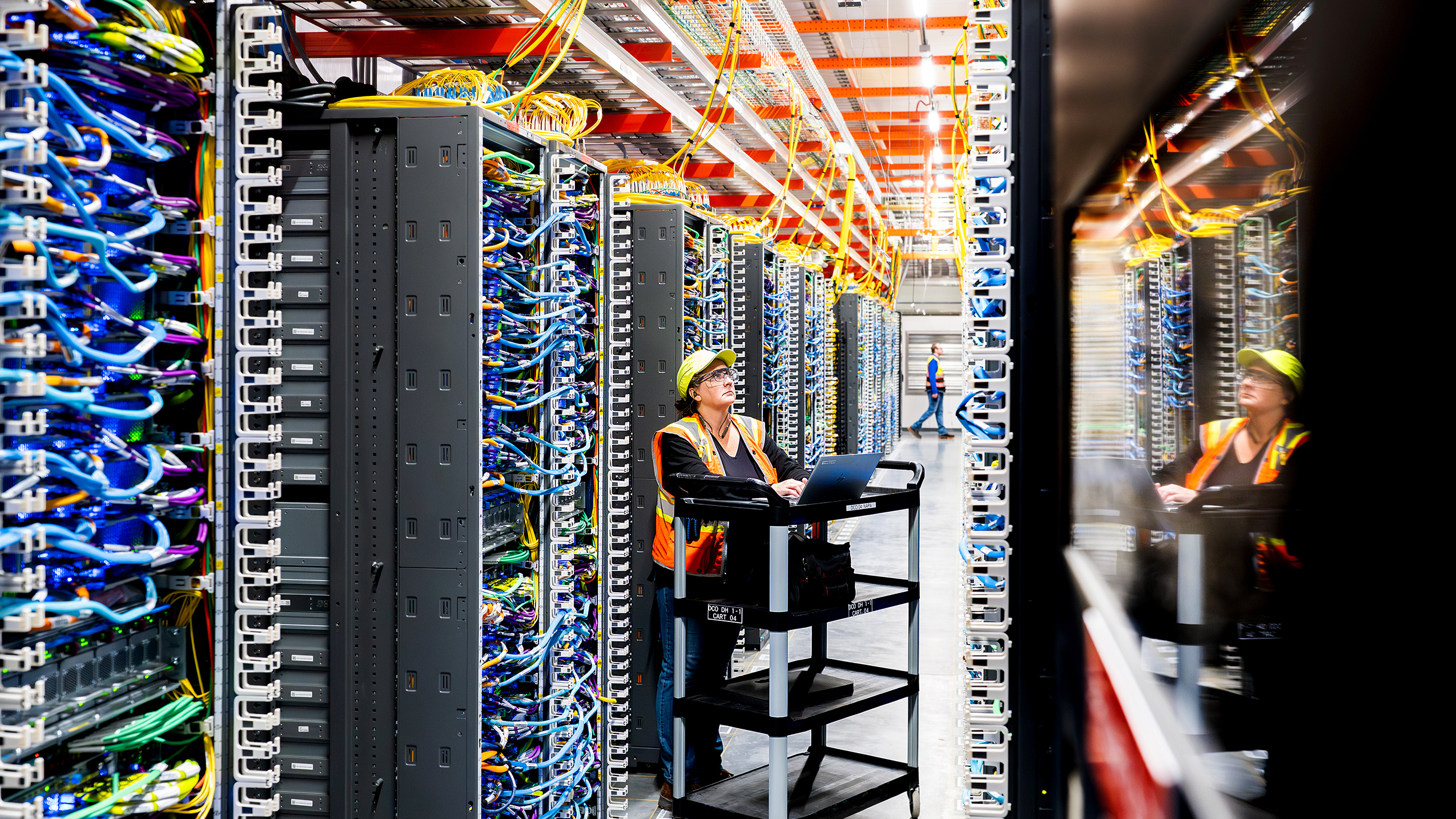
AVS nodes require significant computational power to process cryptographic proofs and validate transactions in real-time. Unlike standard staking, AVS workloads are variable and often bursty, meaning you cannot rely on static, low-cost server configurations. You will likely need auto-scaling cloud instances or dedicated high-performance hardware to handle peak loads without missing slashing conditions. This variability drives up monthly cloud bills, often by 20-40% compared to baseline estimates.
Security and Audit Expenses
Security is not a one-time purchase. Every code update or protocol upgrade requires re-auditing to ensure no new vulnerabilities have been introduced. While EigenLayer provides a shared security layer, your specific AVS smart contracts and off-chain logic remain your responsibility. Budget for regular third-party security reviews and bug bounty programs. Cutting corners here is the fastest way to incur catastrophic losses through exploits, which far outweigh any savings on initial development.
Operational Maintenance
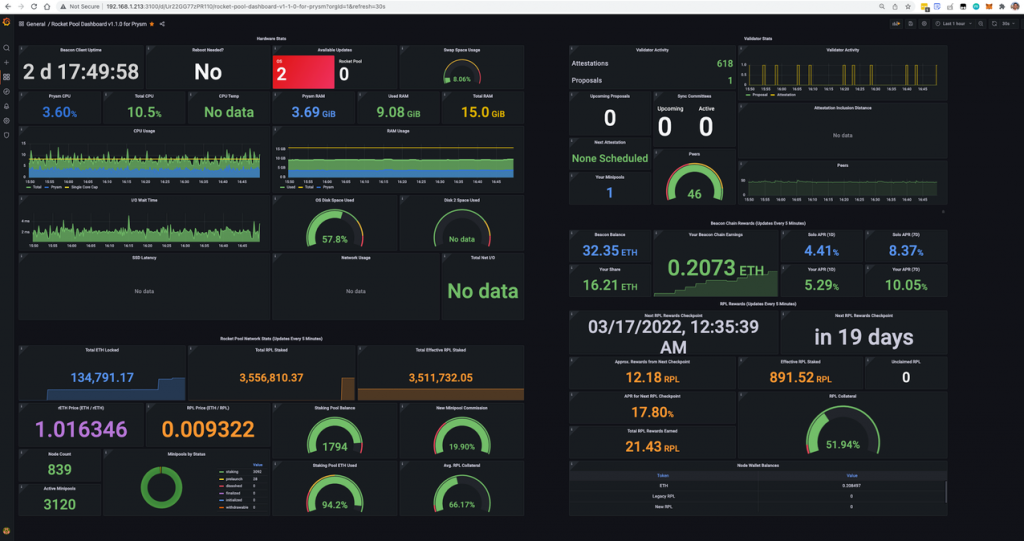
Running an AVS is an operational intensive task. It requires 24/7 monitoring, node synchronization, and key management. If you are not building an internal DevOps team, you may need to pay for managed service providers or specialized monitoring tools. These recurring operational costs are often overlooked in initial ROI calculations but are essential for maintaining uptime and avoiding slashing penalties.

As an Amazon Associate, we may earn from qualifying purchases.
When evaluating an AVS opportunity, look beyond the token price or initial grant. Calculate the total cost of ownership over 12-24 months, including cloud compute, security audits, and operational overhead. A slightly more expensive initial setup with robust monitoring and security often proves cheaper in the long run than a bare-bones deployment that faces frequent issues or exploits.
No comments yet. Be the first to share your thoughts!