
What EigenLayer AVS 2026 Means for Stakers
EigenLayer introduced restaking to Ethereum, allowing validators to secure additional services beyond the base layer. In 2026, this mechanism centers on Autonomous Verifiable Services (AVS). These are decentralized applications that require external verification for off-chain operations. By participating in an AVS, stakers provide cryptographic security to these new services in exchange for additional yield.
This model creates a distinct separation from standard ETH staking. Traditional staking secures the Ethereum consensus layer. Restaking allows that same security capital to be reused. An AVS can focus on building its service and marketing rather than developing its own decentralized security infrastructure. This efficiency allows the ecosystem to scale without requiring every new protocol to bootstrap its own validator set.
The relationship between the AVS and the staker is transactional. The AVS pays for security; the staker receives rewards for providing it. However, this reuse of security introduces specific risks. If an AVS fails or behaves maliciously, the staker’s delegated stake may be slashed. This is distinct from Ethereum’s native slashing conditions. Understanding the specific risk profile of each AVS is essential before committing capital.
Restaking is not a passive income strategy in the traditional sense. It requires active due diligence. Stakers must evaluate the technical robustness of each AVS and the economic incentives it offers. The yield is not guaranteed; it is a compensation for the risk assumed. As the AVS landscape matures in 2026, the distinction between high-quality security providers and speculative projects will become clearer. Stakers should prioritize protocols with transparent slashing conditions and proven operational history.
Top AVS Categories Driving Yield in 2026
EigenLayer’s architecture allows new protocols to tap into Ethereum’s existing security rather than building their own validator sets from scratch. These services, known as Autonomous Verifiable Services (AVSs), offer restakers diverse ways to earn yield. However, the risk profile varies significantly depending on the category of service. Understanding these distinctions is essential for managing exposure in a high-stakes environment.
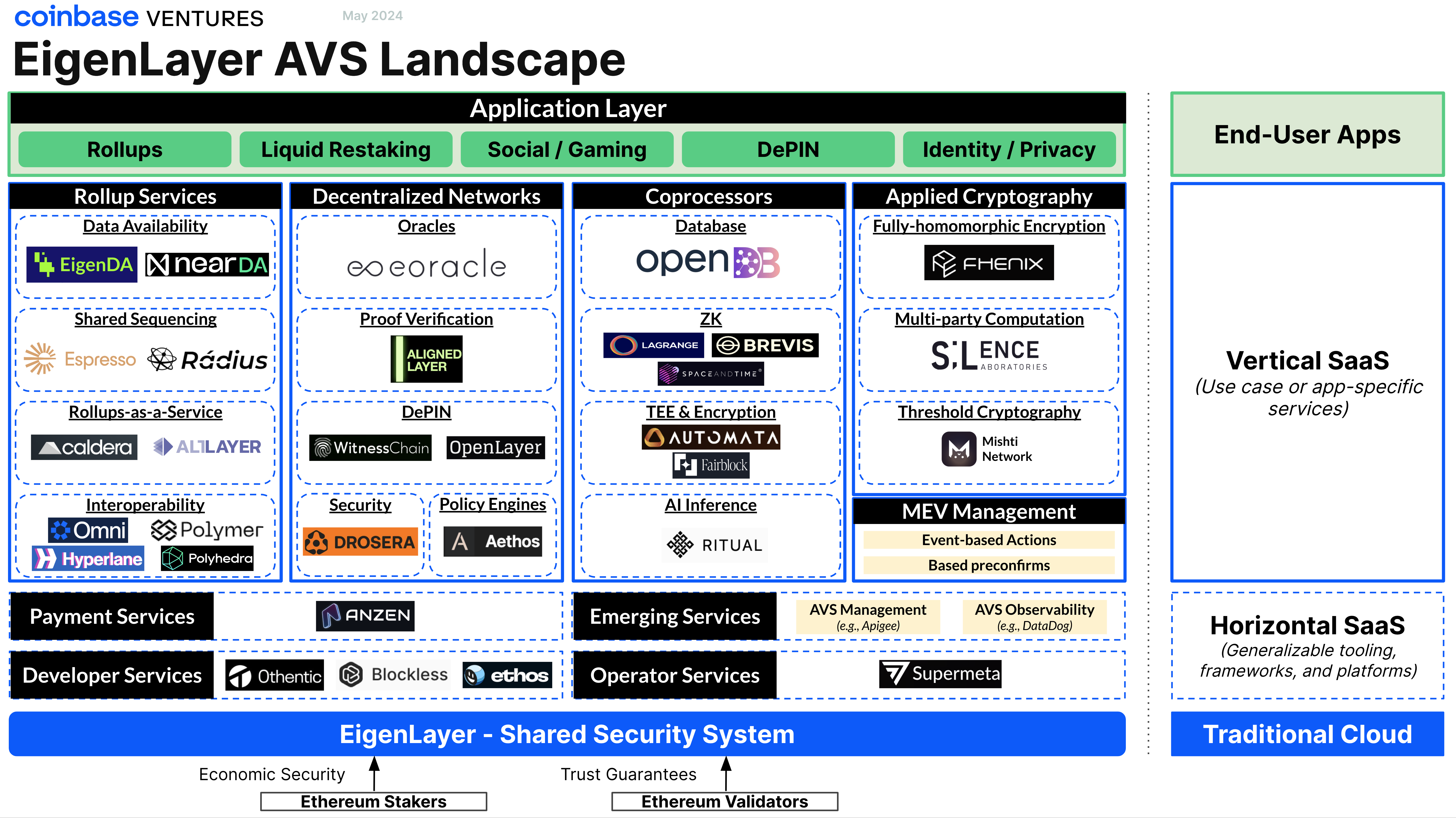
The most prominent categories currently driving yield include Data Availability networks, Oracles, Bridges, and ZK Coprocessors. Each serves a distinct utility on the Ethereum stack, and each carries different technical and economic risks. Below is a comparison of these primary categories to help you evaluate where your restaked capital fits best.
| Category | Primary Utility | Risk Profile |
|---|---|---|
| Data Availability | Stores and verifies large datasets off-chain | Medium |
| Oracles | Feeds real-world data to smart contracts | Low to Medium |
| Bridges | Transfers assets between different blockchains | High |
| ZK Coprocessors | Accelerates zero-knowledge proof generation | Medium to High |
Data Availability (DA) networks are becoming a cornerstone of Layer 2 scaling. By offloading data storage, they allow rollups to operate efficiently. Restakers securing these networks provide critical infrastructure, but they face risks related to data availability failures or censorship. Protocols like EigenDA are leading this space, offering a direct link to Ethereum’s security model.
Oracle networks provide the vital link between blockchain smart contracts and external data sources. Because they handle price feeds and other critical inputs, they are foundational to DeFi. The risk here is primarily technical: if an oracle provides incorrect data, it can lead to liquidations or exploits. However, mature oracle networks have established robust slashing conditions to mitigate this.
Bridges facilitate the movement of assets between Ethereum and other chains. While they offer high yield potential due to the high value of secured assets, they are historically the most vulnerable to hacks. Security audits and multi-signature requirements are non-negotiable when considering bridge-related AVSs.
ZK Coprocessors help accelerate the generation of zero-knowledge proofs, a key technology for privacy and scalability. As ZK technology matures, these coprocessors will become increasingly important. The risk is tied to the complexity of the cryptographic implementations and the maturity of the specific protocol.
When selecting an AVS, prioritize due diligence over yield chasing. Verify that the protocol has undergone rigorous security audits and has clear slashing conditions. The Ethereum documentation and official EigenLayer resources provide the necessary technical details to make informed decisions.
How to Choose a Safe AVS for Restaking
Selecting an Autonomous Verifiable Service (AVS) for restaking requires rigorous due diligence. Unlike simple staking, restaking introduces complex interdependencies where your security deposit backs multiple protocols simultaneously. A failure in one AVS can trigger penalties across your entire portfolio. Therefore, evaluating safety is not about finding the highest yield, but about identifying the most robust risk management frameworks.
The evaluation process must prioritize three core areas: slashing conditions, operator reputation, and protocol maturity. Each factor serves as a layer of defense against the high-stakes risks inherent in shared security models. By systematically vetting these components, you can mitigate exposure to smart contract vulnerabilities and operator negligence.
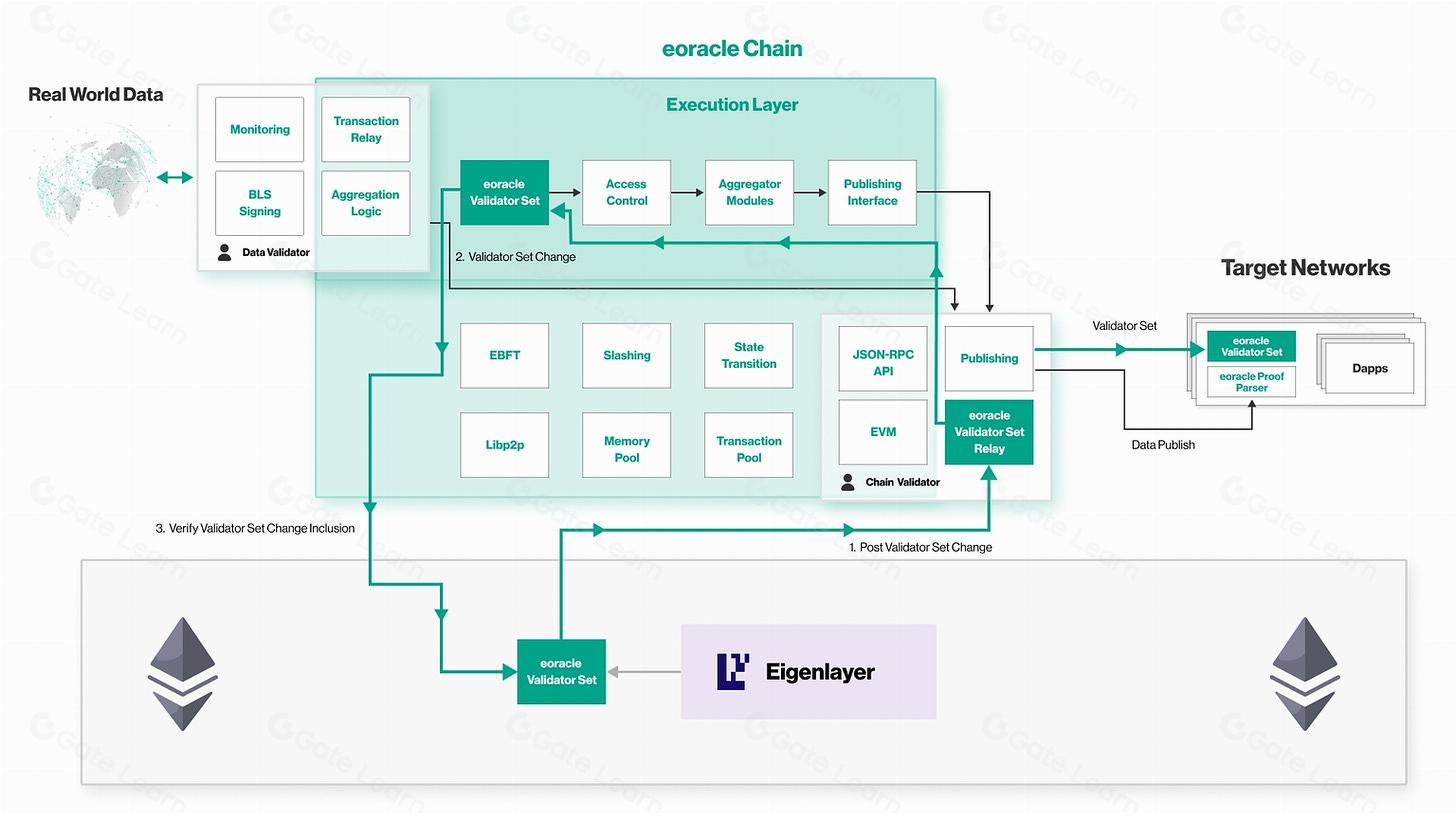
Slashing is the primary risk in restaking. It occurs when an operator fails to perform its duties, resulting in the loss of staked assets. You must review the AVS’s documentation to understand the specific conditions that trigger penalties. Some AVSs have strict, automated slashing mechanisms, while others may offer grace periods or partial penalties. Prioritize protocols with transparent, well-audited slashing logic that aligns with your risk tolerance. Avoid AVSs with vague or overly aggressive penalty clauses that could wipe out your stake for minor infractions.
Operators are the human element of decentralized security. Their performance directly impacts your returns and safety. Research the operator’s history, including past uptime, slash events, and community feedback. Reputable operators often have transparent dashboards and long-standing reputations in the Ethereum ecosystem. Choose operators with a proven track record of reliability rather than those offering the highest delegation rewards, which often correlate with higher risk. A stable, low-risk operator is preferable to a volatile, high-yield one.
Protocol maturity indicates the level of security testing and community trust. Look for AVSs that have undergone multiple independent smart contract audits by reputable firms. Check the age of the protocol and the size of its active user base. Mature protocols are less likely to suffer from critical bugs or sudden changes in governance. Additionally, review the protocol’s governance structure to ensure that changes to slashing conditions or fees are subject to community oversight, not just developer discretion.



As an Amazon Associate, we may earn from qualifying purchases.
Choosing a safe AVS is an ongoing process. The restaking landscape evolves rapidly, with new slashing mechanisms and operator behaviors emerging regularly. Regularly review your delegations and adjust your strategy based on the latest audit reports and community sentiment. By focusing on slashing conditions, operator reliability, and protocol maturity, you can manage the complexities of restaking with greater confidence and security.
Understanding Slashing Risks in 2026
Restaking introduces a layer of complexity that extends beyond the standard penalties of Ethereum staking. While traditional staking involves slashing for network-level infractions like double-signing, EigenLayer’s architecture allows Autonomous Verifiable Services (AVSs) to define their own slashing conditions. This shift moves the risk from theoretical to practical, requiring operators to understand the specific rules of each service they support.
The primary concern for restakers is the potential for overlapping penalties. Because the same staked ETH secures multiple services, a violation of an AVS’s specific protocol could trigger a slash that affects the underlying Ethereum stake. This creates a scenario where a single action can result in cascading financial losses across multiple streams of yield. As noted in recent analyses, the ability for AVSs to set their own slashing mechanisms means that due diligence is no longer optional but essential for risk management.
Readers should carefully review the technical documentation for each AVS before delegating stake. The EigenLayer documentation provides critical details on how slashing is executed and what constitutes a violation for specific services. Ignoring these conditions can lead to unexpected losses that outweigh the additional yield generated by restaking.
The landscape of restaking risks is evolving as new AVSs launch and refine their security models. Operators must stay informed about updates to slashing protocols and the performance history of the services they support. This proactive approach to risk management is the only way to handle the high-stakes environment of 2026 restaking opportunities.
FAQs About EigenLayer Restaking
What is an AVS in EigenLayer?
An Autonomous Verifiable Service (AVS) is a decentralized application built on Ethereum that leverages EigenLayer’s restaking infrastructure. Instead of building its own validator set, an AVS uses the security of existing Ethereum stakers to verify off-chain operations. This allows developers to focus on building and marketing their services rather than managing complex decentralization and security protocols. For technical details on how AVSs function, refer to the EigenCloud AVS Developer Guide.
Is Ethereum still a good investment in 2026?
Ethereum remains a foundational asset for decentralized finance. The network processed over $50 billion in DeFi lending and handled $2.82 trillion in stablecoin transactions in October 2025. With the largest developer community in crypto and continuous network upgrades, Ethereum maintains its position as a primary settlement layer. However, investors should conduct their own due diligence, as market conditions shift rapidly. For broader context on Ethereum’s role, see Ethereum.org.
What is the main benefit of using restaking for new protocols?
Restaking allows new protocols (AVSs) and stakers to mutually benefit by trading security for additional rewards. AVSs can allocate all resources toward service development instead of building security from scratch. Stakers, in turn, earn yield by securing multiple services simultaneously. This efficiency creates a more capital-efficient ecosystem but introduces complex risk vectors that require careful management. For a deeper understanding of the economic incentives, review Ethereum’s Restaking Overview.
No comments yet. Be the first to share your thoughts!