
Eigenlayer restaking limits to account for
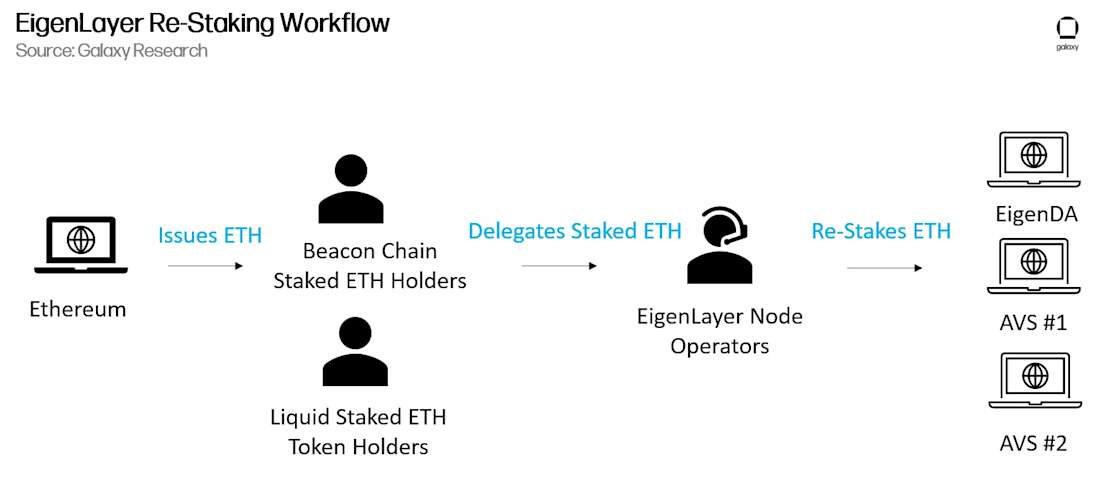
EigenLayer restaking allows you to reuse ETH or liquid staking tokens to secure additional networks, known as Actively Validated Services (AVSs). While this mechanism boosts yield, it introduces specific operational constraints that affect both risk and return. Understanding these limits is essential before deploying capital.
Slashing Risk
Restaking amplifies the consequences of operator failure. If an operator violates consensus rules on any AVS, your staked ETH can be slashed. This risk is "correlated," meaning a single failure across multiple services can trigger penalties simultaneously, potentially eroding a significant portion of your principal.
Liquidity Lock-ups
Your assets are not immediately available for withdrawal. EigenLayer enforces a withdrawal queue system. Even if you initiate a withdrawal, you may face delays while your stake moves through the queue. This constraint means restaked ETH is illiquid for an indeterminate period, unlike standard staking which offers more predictable exit windows.
Capital Efficiency Limits
While restaking increases yield, it does not multiply capital infinitely. Each AVS you support requires a minimum stake commitment. Over-allocating to low-yield AVSs can dilute your overall return. The constraint here is operational: you must actively manage which services your validator secures to maintain an efficient yield profile.
Eigenlayer restaking choices that change the plan
Restaking on EigenLayer amplifies yield by reusing staked ETH to secure additional services (AVSs), but it concentrates risk in ways that standard staking does not. Before allocating capital, you need to weigh the return against the specific vulnerabilities of the operators and services you choose. The following factors represent the concrete tradeoffs you will face in 2026.
| Factor | Benefit | Risk |
|---|---|---|
| Correlated Slashing | Higher AVS rewards | A single operator failure can slash multiple services simultaneously |
| Smart Contract Complexity | Access to new protocols | Vulnerabilities in EigenLayer contracts may freeze or drain funds |
| Liquidity Lockups | Compounding yield | Withdrawal queues can delay access to capital for weeks |
| Operator Choice | Customizable risk profile | Poorly managed operators increase the chance of technical failure |
Correlated slashing is the most significant structural risk. When you restake, your ETH secures not just Ethereum but also the AVSs the operator runs. If an operator fails to perform its duties on one AVS, the penalty can trigger across all services it supports. This means a single point of failure can slash your entire restaked position, rather than just a portion of it.
Smart contract risk remains inherent to the protocol. EigenLayer relies on complex logic to manage checkpoints and withdrawals. While the protocol has undergone audits, the interconnected nature of restaking means that a bug in one layer can cascade. You are trusting the code more than you would with native Ethereum staking, where the rules are simpler and more battle-tested.
Liquidity constraints affect your ability to exit. While you can withdraw native ETH, the process involves a checkpointing period and a withdrawal queue. During high-demand periods, this queue can lengthen, tying up your capital. If you need immediate liquidity for market opportunities, restaking may not be the most flexible option.
Operator selection requires due diligence. Not all operators are equal. Some run robust infrastructure across multiple regions, while others may have lower uptime or fewer security measures. Your yield is directly tied to the reliability of the operator you choose. Choosing a high-yield operator with poor infrastructure increases your risk of slashing.
Understanding these tradeoffs helps you decide if the extra yield justifies the added complexity and risk. Restaking is not a passive "set and forget" strategy; it requires active monitoring of your operators and the services they support.
How to choose the right EigenLayer restaking strategy
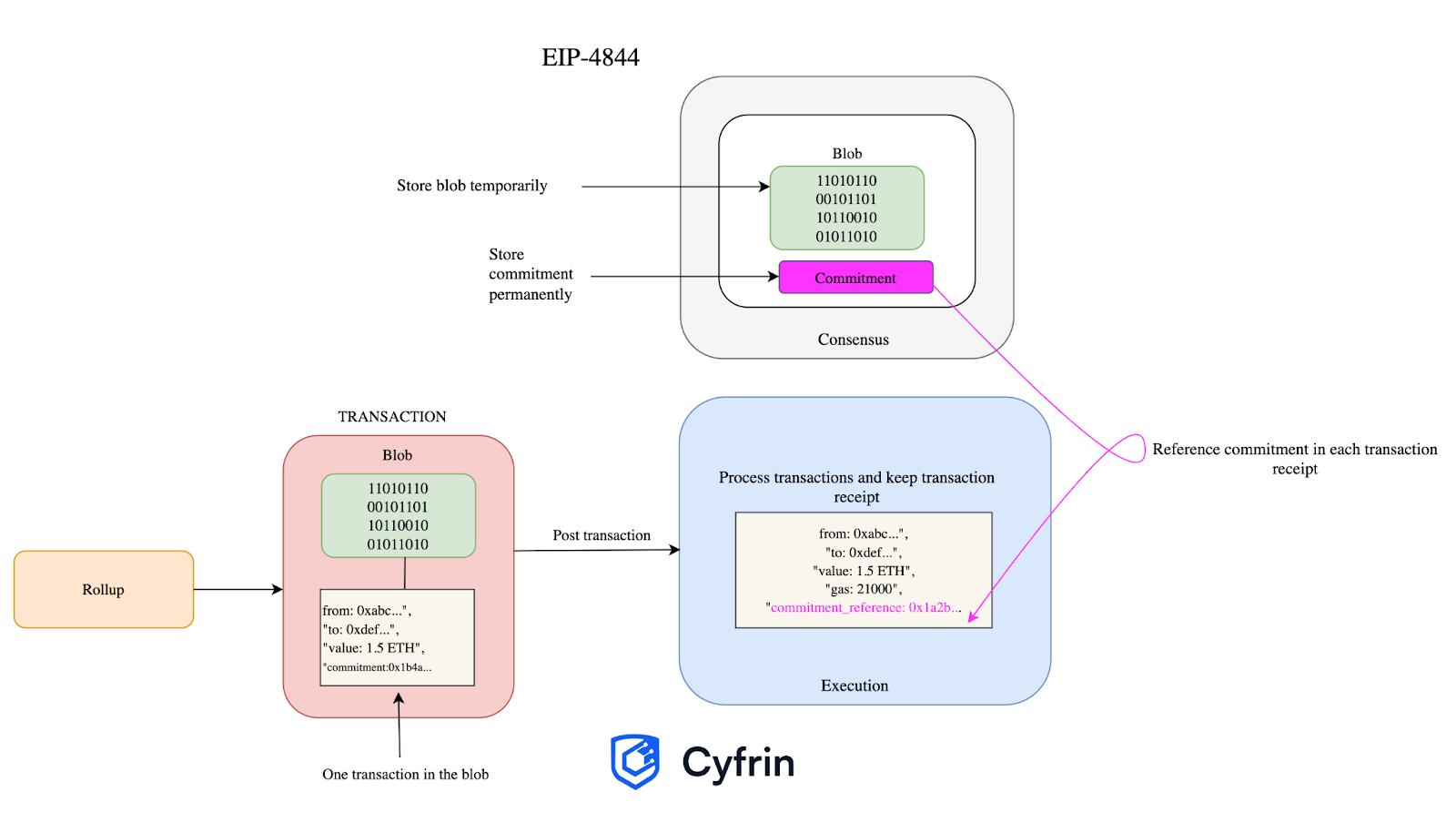
Reduced data costs from EIP-4844 have made EigenLayer more efficient, but they haven't eliminated the need for careful selection. Your yield depends on how you balance risk, liquidity, and active participation. Use this framework to decide which approach fits your portfolio.

Before committing funds, understand the smart contract risks and correlated slashing penalties. If you cannot afford to lose your principal due to a protocol failure, stick to native ETH restaking with minimal AVS exposure. For those comfortable with higher risk, allocating a small portion to emerging AVSs can boost yields, but never over-allocate to unproven services.
Restaking locks your assets, reducing your ability to react to market changes. If you need quick access to your capital for trading or emergencies, liquid staking tokens (LSTs) might be a better fit than direct restaking. Direct restaking offers higher yields but ties up your ETH until withdrawal periods expire. Balance your locked capital with enough liquid ETH to handle unexpected expenses.
Not all Active Verifiable Services (AVSs) are created equal. Look for AVSs with a track record of consistent uptime, transparent operator payouts, and strong community governance. Avoid services with vague whitepapers or anonymous teams. Use the EigenLayer dashboard to compare historical performance and fee structures across different AVSs before delegating your stake.
Slashing can wipe out a significant portion of your rewards if an operator misbehaves. Set up alerts for slashing events on the AVSs you support. If an operator is slashed, consider withdrawing your stake immediately to prevent further losses. Regularly review operator performance and switch to more reliable operators if necessary to protect your yield.
Don't put all your eggs in one basket. Spread your restaked ETH across multiple AVSs to reduce correlated risk. This way, a failure in one service won't impact your entire portfolio. Aim for a mix of established and emerging AVSs to balance stability with growth potential. Regularly rebalance your portfolio to maintain your desired risk-return profile.
| Strategy | Risk | Liquidity | Yield |
|---|---|---|---|
| Native ETH Restaking | Low | Medium | Moderate |
| LST Restaking | Medium | High | High |
| Direct AVS Delegation | High | Low | Very High |
Watch out for weak options and misleading claims
The drop in data costs following EIP-4844 initially looked like a free lunch for restakers. Lower blob space meant cheaper execution, which translated to higher net yields on paper. However, this efficiency also attracted operators chasing margin without adequate risk controls. When yields rise artificially, the underlying security often weakens. You need to distinguish between genuine yield and structural fragility.
Here are the specific traps to avoid when evaluating restaking opportunities in 2026:
Ignoring correlated slashing risk
Restaking amplifies your exposure to operator failure. When you stake ETH to secure multiple Actively Validated Services (AVSs), you are not just spreading risk; you are correlating it. If an operator running several AVSs misbehaves, a single slashing event can penalize your entire restaked position. This is not diversification; it is concentrated risk masked as yield. Always check the operator’s AVS portfolio to ensure their services do not share common failure modes.
Overlooking smart contract complexity
EigenLayer’s architecture is inherently complex. Every additional layer of abstraction, from liquid restaking tokens (LRTs) to the core EigenLayer contracts, introduces potential vulnerabilities. A bug in a widely used LRT protocol can cascade down to all restakers using that token. Do not assume that higher yields from niche protocols mean higher security. They often mean higher code risk. Stick to audited, battle-tested contracts even if the yield is slightly lower.
Chasing unsustainable APYs
Post-EIP-4844 yields were inflated by temporary demand shocks. Many operators entered the market with low capital efficiency, bidding up prices for blob space. As the market matured, these inefficient operators exited, causing yields to normalize. If a protocol promises yields significantly above the base ETH staking rate without clear justification, it is likely paying you with your own principal or taking on excessive risk. Sustainable yield comes from real utility, not speculation.
Assuming liquid restaking tokens (LRTs) are liquid
LRTs provide liquidity, but they are not risk-free. In times of market stress, the peg between the LRT and its underlying ETH can break. Also, if the LRT operator is slashed, the value of your token can drop to zero. Always understand the redemption terms and the health of the LRT operator before locking your assets. Liquidity is not the same as safety.
Failing to monitor operator performance
Restaking is not a set-and-forget strategy. Operators can change their configurations, add new AVSs, or suffer technical outages. A sudden change in an operator’s AVS portfolio can increase your slashing risk overnight. Regularly review your operator’s status and the services they secure. If an operator adds a high-risk AVS, consider withdrawing your stake before the next slashing window.
Disregarding the technical setup
The efficiency of restaking depends on the underlying infrastructure. Poorly configured nodes can lead to missed blocks or invalid states, triggering penalties. Ensure that your operator uses robust, well-maintained infrastructure. Technical glitches are not just inconveniences; they are financial risks.
Ignoring regulatory uncertainty
The regulatory landscape for restaking is still evolving. Changes in how securities are defined could impact the viability of certain AVSs or LRTs. Stay informed about regulatory developments that could affect the restaking ecosystem. Regulatory crackdowns can lead to sudden liquidity crunches or forced withdrawals.
No comments yet. Be the first to share your thoughts!