
Getting EigenLayer right
Before you allocate capital or configure your node, understand that EigenLayer is an Ethereum protocol enabling "restaking." It allows you to reuse existing staked assets—typically ETH or liquid staking tokens (LSTs)—to secure additional services called Actively Validated Services (AVSs), rather than just the base Ethereum network.
The core value proposition is capital efficiency. By locking assets in EigenLayer, you earn yield from Ethereum consensus while simultaneously earning additional rewards from the AVSs you support. However, this efficiency introduces concentrated risk. If an AVS you support is slashed for malicious behavior, your entire restaked balance is at risk, not just the portion allocated to that specific service.
Prerequisites for participation
To participate safely, you need specific tools in place:
- A non-custodial wallet: Use a wallet like MetaMask or Rabby that supports ERC-20 and ETH transfers. Ensure it is connected to a reliable Ethereum RPC endpoint.
- Liquid Staking Tokens: You must hold LSTs like stETH (Lido) or rETH (Rocket Pool) to restake. If you have native ETH, you need to swap it for an LST first.
- An EigenLayer Operator Key: For stakers, this is handled via the EigenLayer interface. For node operators, you must generate a separate BLS keypair to sign messages for AVSs.
- Sufficient gas funds: You need ETH in your wallet to pay for transaction fees during the staking and unstaking processes.
The risk of slashing
Slashing is the most critical concept to grasp. In traditional proof-of-stake Ethereum, slashing only occurs if you run a validator node that misbehaves. With EigenLayer, you are extending your security guarantee to third-party services. If an AVS you are supporting fails to perform its duties or acts maliciously, the protocol may slash your restaked assets. This means your initial staking rewards on Ethereum could be partially or wholly lost. Always research the AVSs you support and understand their slashing conditions before committing capital.
Choosing an AVS
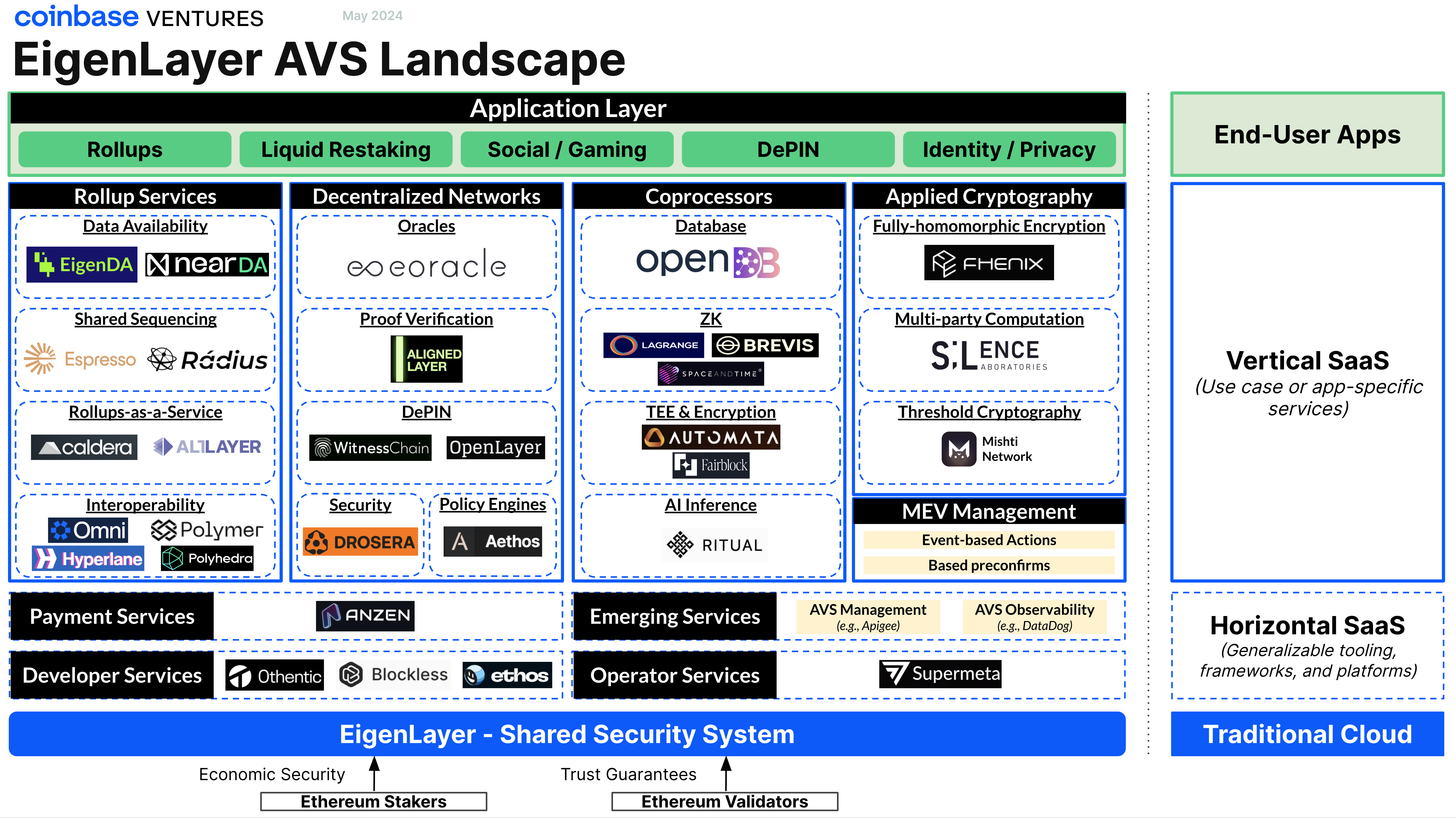
Not all AVSs are created equal. Some focus on data availability, others on decentralized oracle networks, or cross-chain bridges. Your choice of AVS determines your risk profile and potential rewards. Look for AVSs with strong track records, transparent governance, and clear economic incentives. Avoid new or untested AVSs with high rewards but unknown security models, as the risk of slashing is often correlated with the novelty and complexity of the service.
Work through the steps
EigenLayer works best as a clear sequence: define the constraint, compare the realistic options, test the tradeoff, and choose the path with the fewest hidden costs. That order keeps the advice usable instead of decorative. After each step, pause long enough to check whether the recommendation still fits the reader's actual situation. If it depends on perfect timing, unusual access, or a best-case budget, include a simpler fallback.

Common mistakes to avoid with EigenLayer restaking
Restaking amplifies both yield and risk. The protocol lets you reuse staked ETH to secure additional services, called Actively Validated Services (AVSs), but this reuse creates a single point of failure for your capital. If you do not understand how slashing works, a single misconfigured AVS can penalize your entire restaked balance.
1. Ignoring slashing conditions
Slashing is the mechanism that punishes malicious or negligent behavior. When you restake, you are not just securing one validator; you are potentially securing multiple AVSs. If one of those AVSs has a slashing condition triggered by a node operator error, your restaked ETH is at risk. Many users assume their original Ethereum staking rewards are safe, but the restaked portion can be slashed if the AVS contract is compromised or if the operator fails to meet the specific service requirements. Always read the specific slashing conditions for each AVS before restaking.
2. Overexposing liquidity
It is tempting to restake all your liquid staking tokens to maximize yield. However, this creates a liquidity trap. If you need to exit a position quickly, such as during a market crash or a protocol upgrade, your assets may be locked or subject to high slippage. Additionally, if multiple AVSs you are supporting fail simultaneously, your exposure is multiplied. Diversify your restaking positions across different AVSs with uncorrelated risk profiles. Do not put all your restaked ETH into a single new or unproven service.
3. Underestimating smart contract risk
EigenLayer relies on complex smart contracts to manage restaking operations and AVS interactions. Each new AVS introduces additional smart contract code that must be audited and verified. Even if the core EigenLayer contracts are secure, a vulnerable AVS contract can lead to fund loss. Check the audit status and historical performance of any AVS before committing your restaked assets. Look for platforms that have undergone multiple independent audits and have a track record of secure operation.
4. Neglecting operator selection
You can either run your own validator node or delegate to a third-party operator. Choosing an operator requires due diligence. Check their uptime, fee structure, and security practices. An operator with a history of downtime or security incidents poses a significant risk to your restaked capital. Many users delegate to well-known, reputable operators, but this concentration risk can also be problematic. Consider the reputation and technical capability of the operator before delegating.
5. Assuming passive safety
Restaking is not a set-and-forget strategy. Market conditions, protocol upgrades, and AVS performance can change rapidly. Regularly review your restaking positions and stay informed about any changes to the slashing conditions or protocol parameters. Engage with the community and follow official announcements from EigenLayer and the specific AVSs you are supporting. Being proactive helps you mitigate risks before they become critical issues.
No comments yet. Be the first to share your thoughts!