

In 2025, the landscape of cross-chain security is being fundamentally reshaped by the emergence of EigenZero, a collaborative initiative between LayerZero and EigenCloud. At its core, EigenZero leverages the robust foundations of EigenLayer restaking and combines it with a cutting-edge crypto-economic decentralized verifier network (DVN) framework. This novel approach directly addresses the persistent challenges of trust, speed, and accountability in cross-chain communications, setting a new benchmark for both technical and economic security across blockchain ecosystems.
Why Cross-Chain Security Needs Reinvention
As decentralized applications (dApps) increasingly operate across multiple blockchains, ensuring secure interoperability has become paramount. Traditional solutions often rely on multisig bridges or permissioned validator sets - both susceptible to collusion or single points of failure. The rapid growth in DeFi protocols and asset transfers between chains has only intensified the need for a more resilient model.
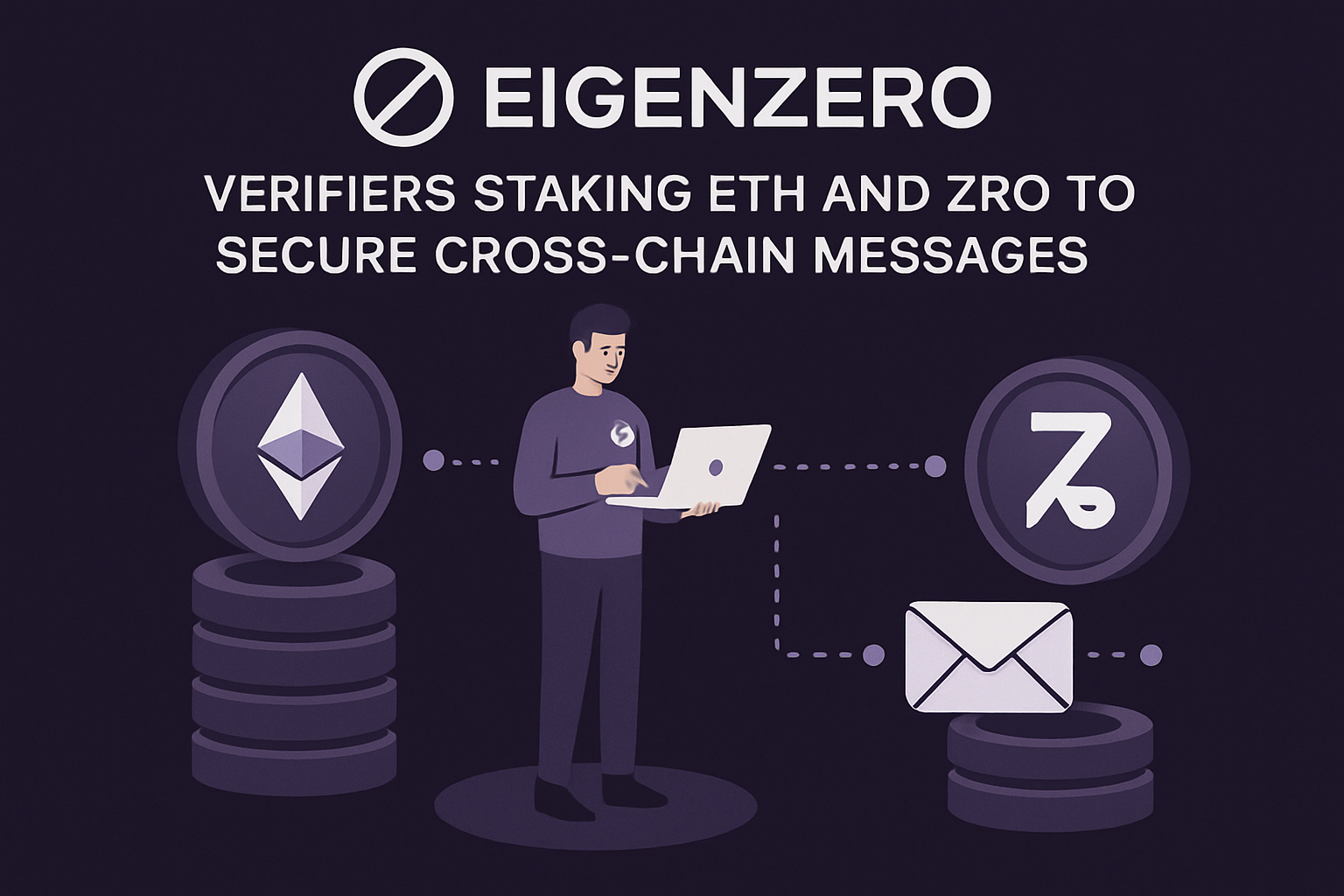
EigenZero rises to this challenge by introducing a structure where verifiers must stake assets such as ZRO, EIGEN, or ETH as collateral. This transforms validators from passive observers into active participants with real financial skin in the game. Any malicious activity can result in slashing - an immediate loss of staked assets - which aligns individual incentives with network security.
The Mechanics Behind EigenZero’s Crypto-Economic Security
The architecture of EigenZero is built on three crucial pillars:
- Staking Mechanism: Verifiers are required to lock up significant collateral, creating direct economic consequences for dishonest behavior.
- Optimistic Verification: Messages are presumed valid unless challenged within a set window - drastically reducing proving times while keeping security uncompromised.
- Challenge and Slashing Protocol: An 11-day dispute period allows any participant to contest fraudulent claims. If wrongdoing is proven, the offending verifier’s stake is slashed.
This hybrid approach blends technical validation with powerful economic incentives. As noted in recent analyses from EigenCloud Blog and Blocmates, such mechanisms have led to both a 76% reduction in proving times and a significant drop in dishonest behavior among verifiers.
The Benefits: Security, Accountability and True Decentralization
The implications of this design are profound for Ethereum interoperability in 2025. By requiring verifiers to post collateral that can be slashed upon misconduct, EigenZero ensures that network participants are not just technically competent but also economically accountable. This dual-layered defense makes it unprofitable for bad actors to undermine cross-chain communications.
Flexibility is another cornerstone. Unlike legacy systems that restrict participation through high capital requirements or permissioned access, EigenZero supports multiple collateral types (ZRO, EIGEN, ETH) and allows anyone to participate as a verifier. This permissionless structure fosters decentralization while broadening the base of potential validators and enhancing network resilience against attacks.
The result is an ecosystem where security is not just enforced by code but underwritten by real financial risk - creating an environment where honest behavior isn’t just encouraged; it’s economically rational.
By 2025, this paradigm shift is resonating throughout the Ethereum restaking community and beyond. As more decentralized applications and cross-chain protocols adopt EigenZero’s model, the entire sector is witnessing a measurable improvement in both the speed and reliability of cross-chain operations. With proving times reduced by 76%, developers can now build complex, verifiable apps that seamlessly interact across chains without compromising on security or decentralization.
Top EigenZero Use Cases in DeFi, Gaming & Enterprise
- Decentralized Finance (DeFi) Bridges: EigenZero secures cross-chain asset transfers for leading DeFi platforms, ensuring tamper-resistant bridging of tokens like ETH, USDC, and stablecoins across Ethereum, Arbitrum, and Optimism. Its crypto-economic verifier network dramatically reduces risks of bridge exploits and double-spending.
- Cross-Chain NFT Gaming: Game developers leverage EigenZero to enable secure NFT transfers and in-game asset interoperability across multiple blockchains. This allows players to move NFTs and rewards between ecosystems like Polygon, Avalanche, and BNB Chain with verifiable trust.

- Enterprise Blockchain Integrations: Large enterprises use EigenZero to connect private and public blockchains for supply chain, identity, and data sharing applications. The protocol’s challenge and slashing mechanisms ensure data integrity and compliance in regulated environments.

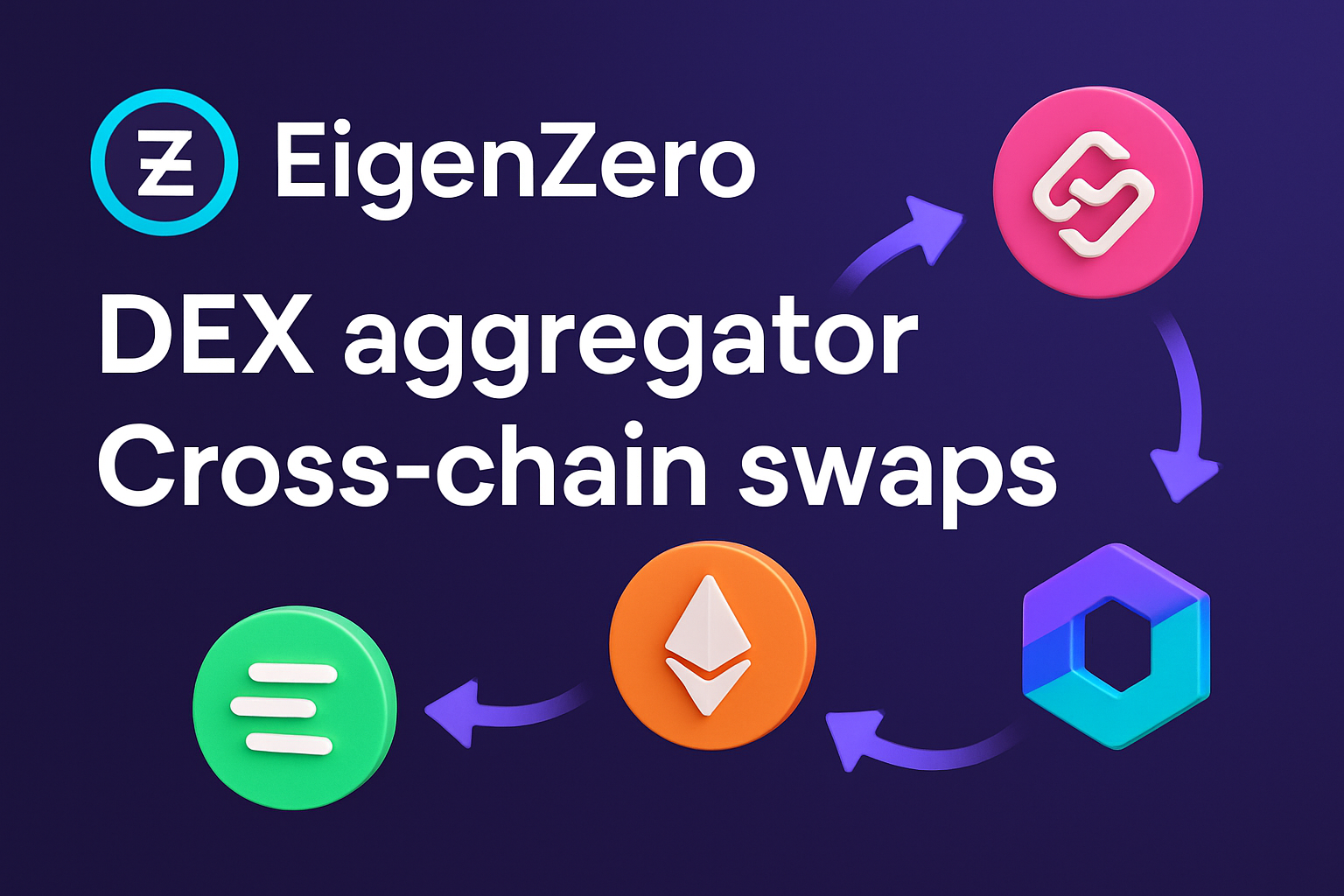
- Decentralized Exchange (DEX) Aggregators: Platforms like 1inch and Matcha benefit from EigenZero’s fast, secure cross-chain swaps, allowing users to trade assets seamlessly across networks while minimizing settlement risks and slippage.
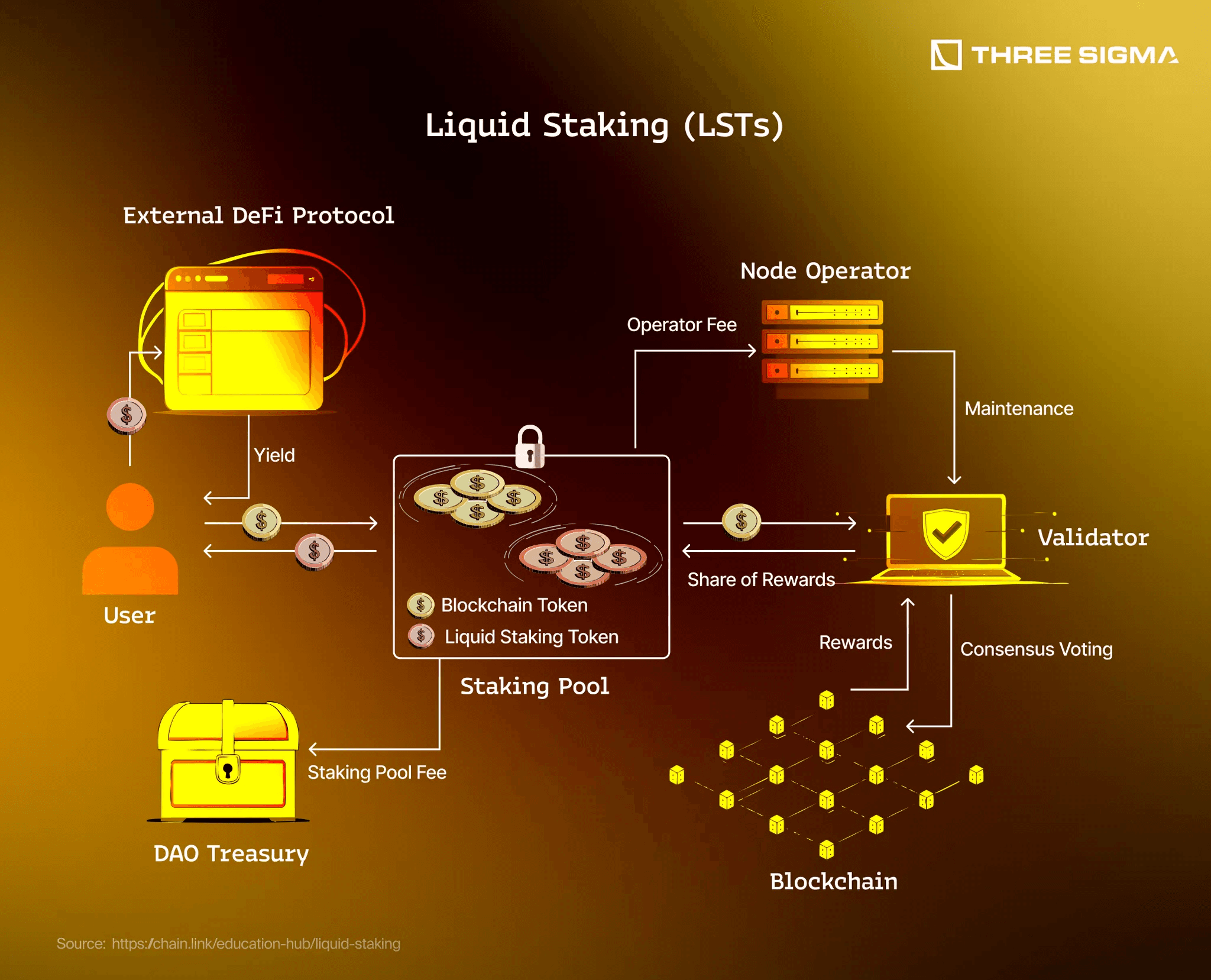
- Restaking & Liquid Staking Protocols: Protocols such as Lido and EigenLayer utilize EigenZero’s verifier network to secure restaked assets and enable layered yield strategies across chains, supporting the booming restaking economy in 2025.
Economic incentives are proving to be a game changer. The slashing infrastructure, which penalizes dishonest activity with real asset forfeiture, has already demonstrated its deterrent effect. Recent data from AVS infrastructure operators shows a marked decline in attempted exploits as the cost of malicious behavior now far outweighs any potential gain. This shift is fostering deeper trust among users and institutions considering multi-chain deployments.
What Sets EigenZero Apart from Other Restaking Protocols?
While several protocols have explored slashing and staking models, EigenZero’s integration of optimistic verification with an open challenge period creates a uniquely balanced ecosystem. Verifiers cannot simply rely on technical prowess; their economic exposure ensures genuine alignment with network health. The protocol’s permissionless entry further democratizes participation, unlike legacy bridges or closed validator sets, lowering barriers for new entrants while maintaining rigorous standards through financial accountability.
This approach also enables adaptive scalability. As demand for cross-chain messaging grows, new verifiers can join by posting collateral in ETH, ZRO, or EIGEN, flexibly scaling security alongside adoption. Network resilience improves as diversity among verifiers increases, making it harder for coordinated attacks to succeed.
Challenges and Future Outlook
No system is without challenges. Maintaining sufficient collateralization across volatile assets requires ongoing monitoring and protocol upgrades. As restaking protocols mature, governance mechanisms must evolve to address edge cases such as correlated slashing events or sudden drops in asset value. However, the collaborative efforts between LayerZero and EigenCloud demonstrate a commitment to iterative improvement, recent codebase updates have already expanded cross-chain capabilities while refining security procedures.
Looking forward, we anticipate broader adoption of crypto-economic verifier networks across Layer 2s and enterprise blockchains seeking robust interoperability solutions. The success of EigenZero could catalyze further innovation in restaking infrastructure, potentially inspiring new collateral types or dynamic slashing parameters tailored to emerging threats.
Ultimately, EigenZero exemplifies how restaking protocols are moving beyond passive security, ushering in an era where economic incentives directly power decentralized trust across chains. By embedding accountability at every layer, from technical validation to financial risk, the initiative stands as a blueprint for resilient blockchain interoperability in 2025 and beyond.




No comments yet. Be the first to share your thoughts!