

Ethereum’s validator economy is evolving rapidly, and EigenLayer restaking is at the forefront of this transformation. With Ethereum (ETH) currently priced at $3,431.45, the search for enhanced staking rewards and capital efficiency has never been more relevant for validators and institutional stakers alike. Restaking allows Ethereum validators to put their staked ETH to work beyond the core network, opening up new yield streams by securing additional decentralized services.
What Is EigenLayer Restaking? Unlocking New Yield Streams
EigenLayer restaking introduces a paradigm shift: instead of earning a single yield from Ethereum consensus, validators can now "restake" their ETH to secure Actively Validated Services (AVSs). These AVSs range from decentralized oracles to bridges and data availability layers, each rewarding validators for their participation. This mechanism leverages Ethereum’s robust security while multiplying a validator’s earning potential.
For example, with base Ethereum staking yields hovering around 3.5% APY, restaking via EigenLayer can boost total annualized returns to approximately 8.21%, according to recent market analyses. This significant jump in yield is driving increased adoption among sophisticated stakers seeking to maximize capital efficiency without compromising on-chain security.
The Mechanics: How Does Restaking Actually Work?
The process of restaking is both innovative and accessible for existing and new Ethereum validators. The key lies in allowing your already-staked ETH to serve as collateral not just for Ethereum consensus but also for other protocols built on top of the network. Here’s how it unfolds:
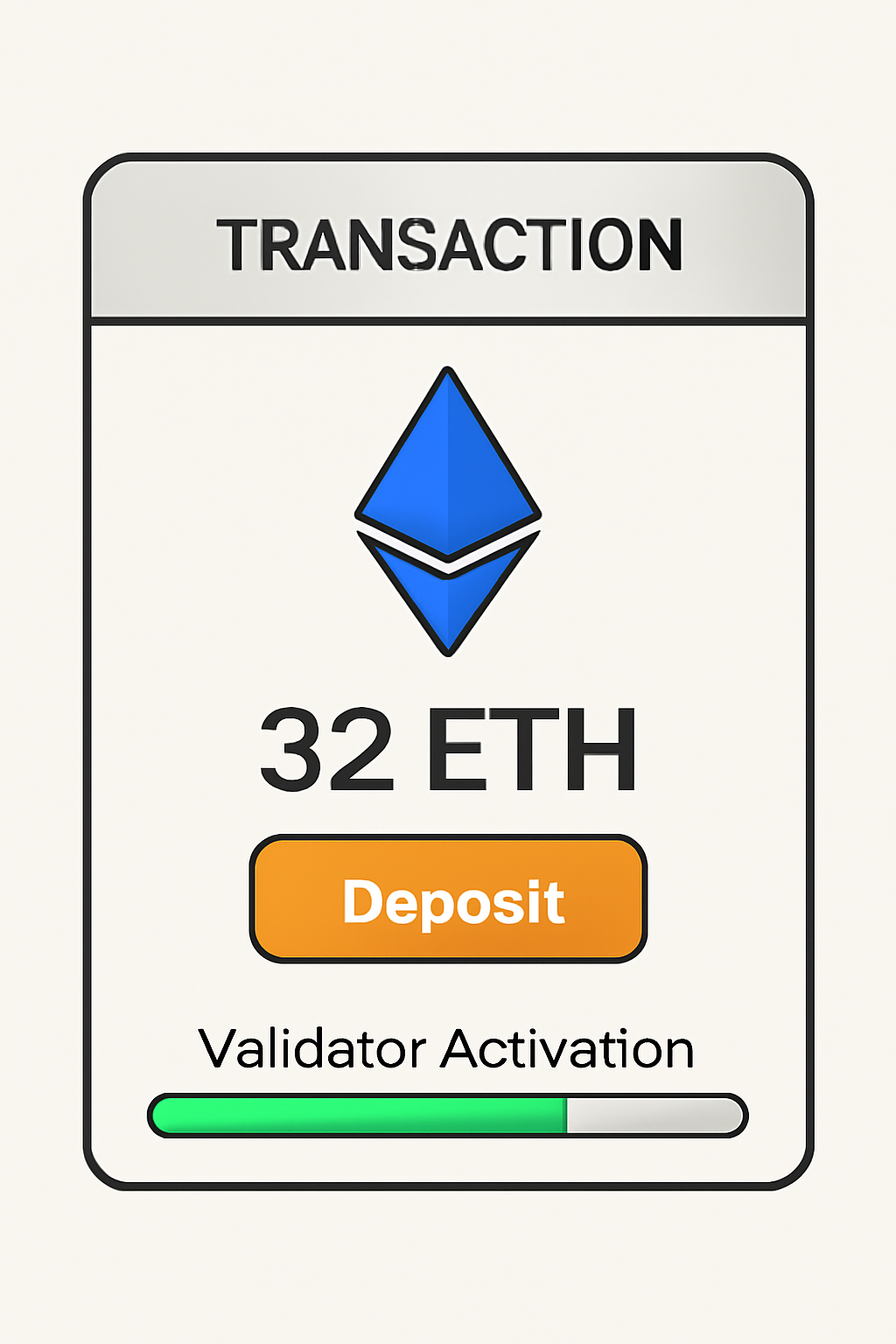
- Capital Efficiency: Validators use the same 32 ETH deposit to participate in multiple security layers, multiplying their reward streams without needing extra funds.
- AVS Participation: By opting into AVS validation, validators earn protocol-specific rewards on top of base staking returns.
- Delegation Flexibility: Validators can delegate management of their restaked assets to specialized operators who handle technical integration with various AVSs.
This multi-layered approach doesn’t come without trade-offs. Increased slashing risks and smart contract vulnerabilities must be considered carefully before engaging in restaking activities. For a deeper dive into risk factors and security implications, see our technical guide: How EigenLayer Restaking Enhances Ethereum Security for Validators.
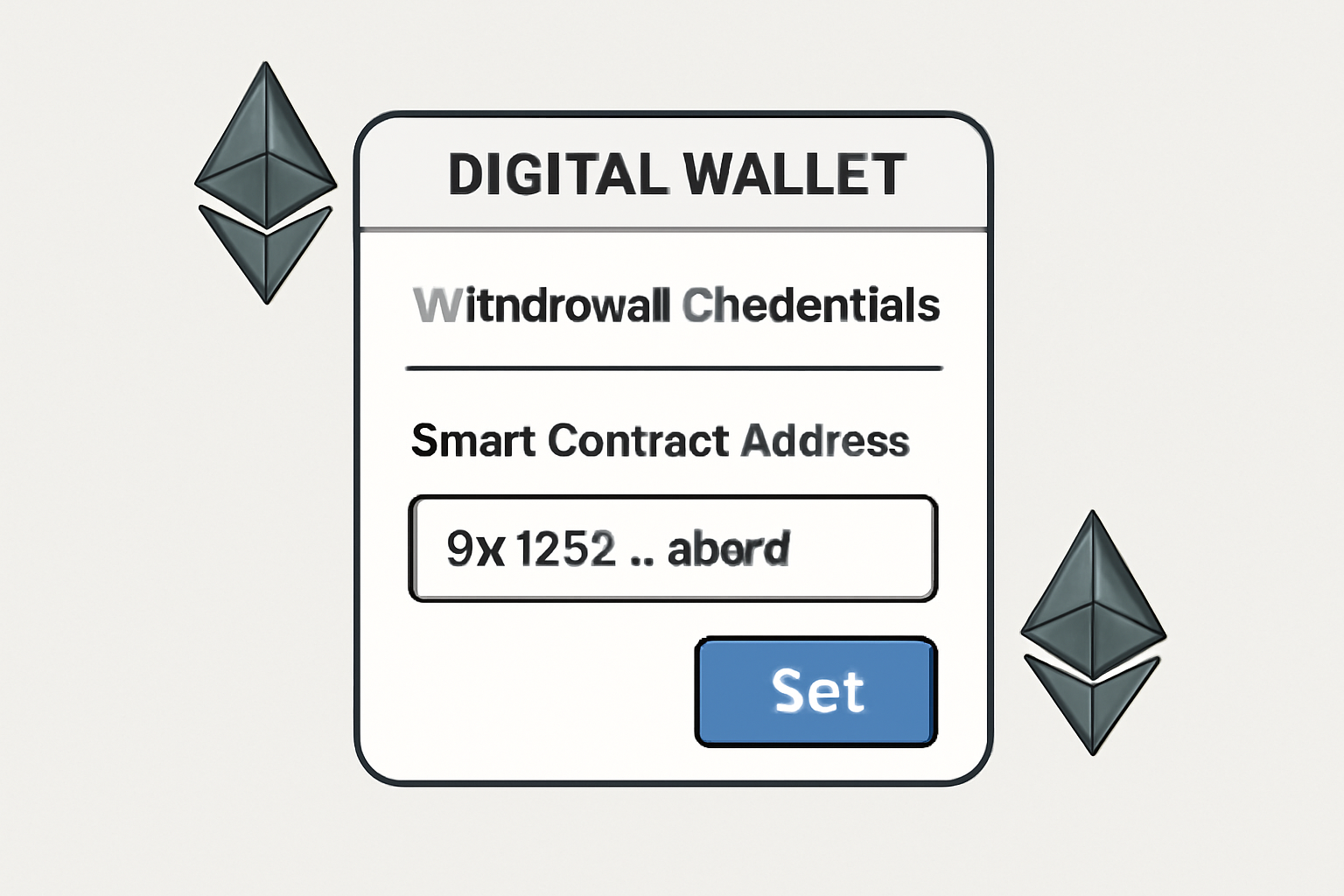
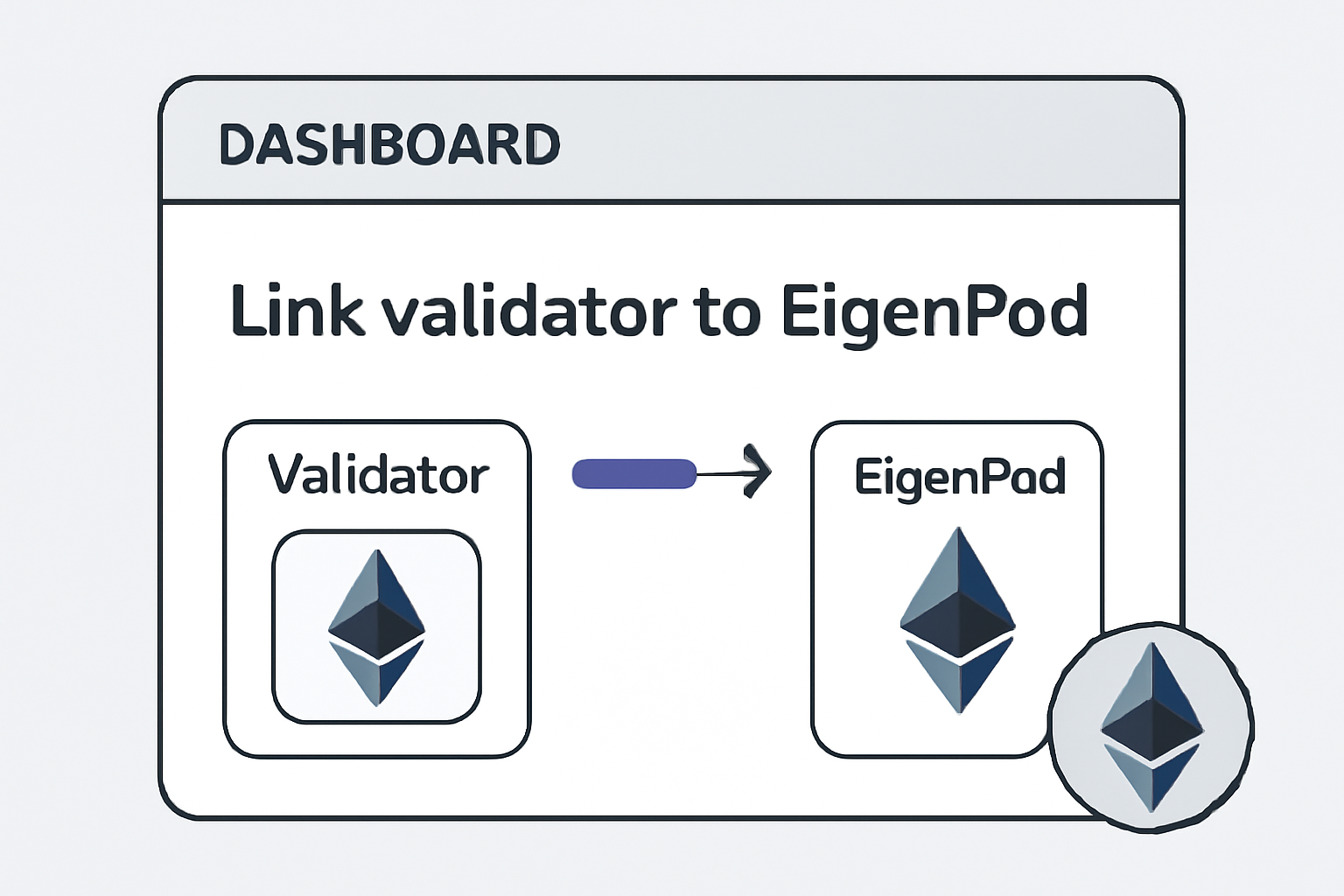
Step-by-Step Guide: How To Restake With EigenLayer
How to Boost Ethereum Validator Yields with EigenLayer Restaking


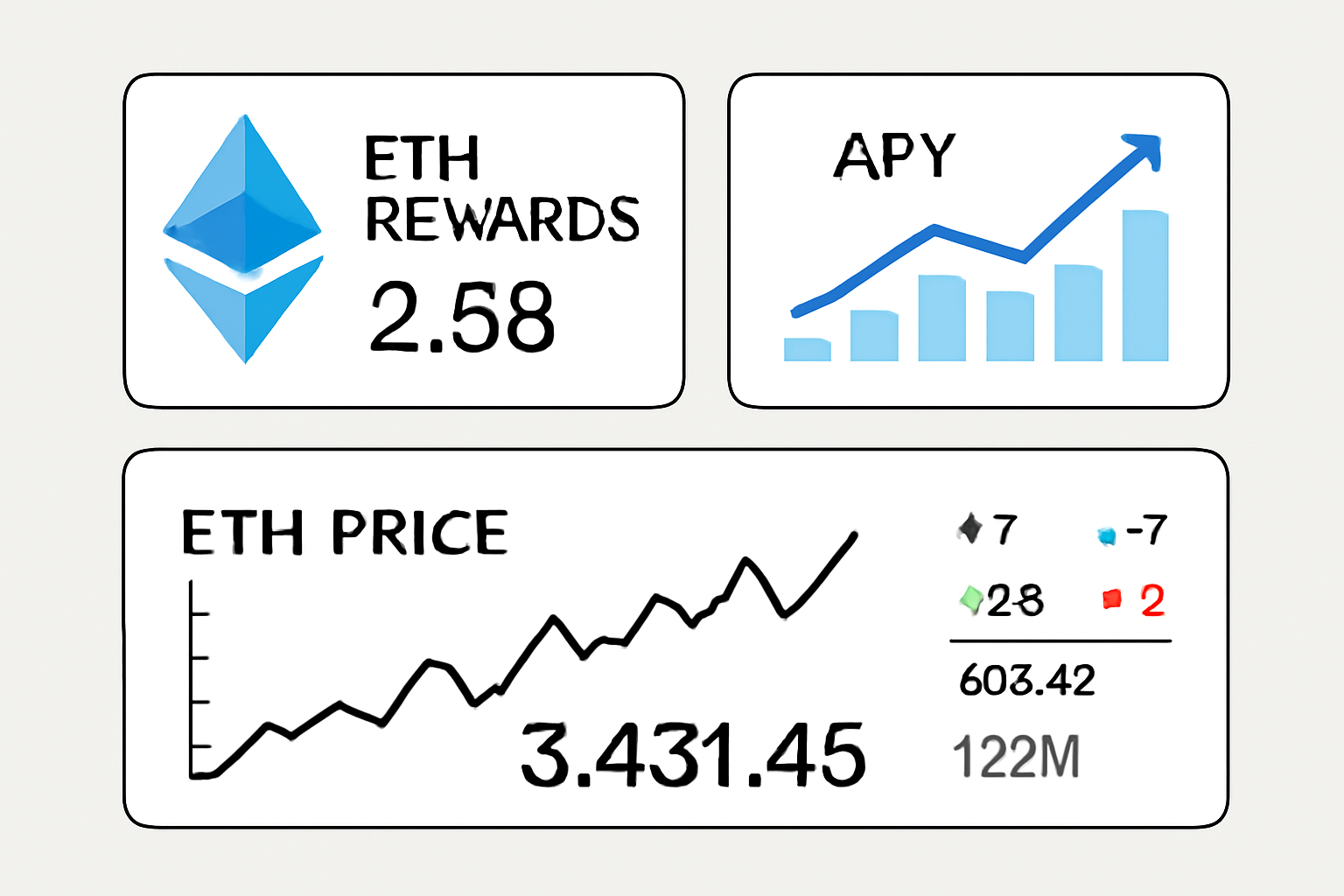
Real-Time Rewards: Tracking Your Validator Earnings
The appeal of EigenLayer lies not only in its innovation but also in its transparency. Validators can monitor enhanced yields via dedicated dashboards that aggregate both base staking rewards and AVS-specific incentives in real time. As more protocols integrate with EigenLayer, the landscape of available AVSs continues to expand, offering greater choice but also requiring ongoing diligence from participants.
This dynamic environment means that yield opportunities are constantly evolving alongside protocol upgrades and market trends. Staying informed about new AVSs and understanding their specific risk-reward profiles is essential for any validator aiming to maximize returns while safeguarding principal capital.
As Ethereum’s validator set grows more sophisticated, the ability to compound staking rewards through EigenLayer restaking is poised to redefine the economics of participation. With ETH holding steady at $3,431.45, validators are increasingly weighing the merits of layered yield strategies against new operational and risk management considerations.

Key Considerations Before You Restake
While the prospect of boosting yields up to 8.21% APY is compelling, prudent validators must assess a few critical factors before committing their assets:
- Slashing Exposure: Engaging with multiple AVSs increases the number of slashing vectors. If an AVS suffers an exploit or if an operator behaves maliciously, your staked ETH could be penalized beyond standard Ethereum risks.
- Smart Contract Complexity: Each additional protocol layer introduces new smart contracts and potential vulnerabilities. Thoroughly vetting AVS codebases and understanding upgrade mechanisms is essential.
- Operator Selection: Delegating to experienced operators can offload technical burdens but also concentrates trust. Scrutinize operator track records and their AVS integration capabilities.
- Evolving AVS Market: The set of available AVSs is fluid, with new protocols launching and incentives shifting over time. Stay agile in your allocation strategies as market conditions change.
Practical Strategies for Maximizing Validator Yields
The most successful restakers approach EigenLayer with a disciplined, research-driven mindset. Here are several best practices observed among leading validators:
- Diversify Across AVSs: Avoid overexposing your validator to a single service or operator. Distribute restaked ETH across multiple reputable AVSs to balance risk and reward.
- Monitor Performance Metrics: Use EigenLayer’s dashboards and third-party analytics tools to track both yield accruals and slashing events in real time.
- Stay Informed on Upgrades: Protocol changes can alter slashing conditions or reward schedules. Join governance forums and subscribe to official communication channels for timely updates.
- Reinvest Rewards Strategically: Consider compounding earned rewards back into staking or diversifying into other DeFi opportunities as network conditions evolve.
Looking Ahead: The Future of Restaking in Ethereum’s Ecosystem
The rapid adoption of EigenLayer protocols signals a broader shift toward modular blockchain security models. As more decentralized services seek Ethereum-grade security without bootstrapping their own validator sets, opportunities for yield stacking will proliferate, potentially attracting even greater institutional capital into the ecosystem.
This trend is likely to accelerate as liquid staking derivatives (LSDs) become compatible with EigenLayer, further democratizing access to advanced yield strategies for retail participants while maintaining robust network security standards. For those ready to deepen their knowledge or troubleshoot common challenges, our FAQ resource offers practical guidance: Frequently Asked Questions About EigenLayer Restaking for Beginners.
The bottom line: By embracing restaking via EigenLayer, validators can transform static capital into a dynamic engine for multi-protocol security, and potentially double their annual returns, while remaining anchored by Ethereum’s foundational trust layer. Diligence, ongoing education, and active monitoring are essential as this innovative landscape continues to mature.




No comments yet. Be the first to share your thoughts!