

Ethereum’s restaking landscape is evolving fast, and EigenLayer is at the center of a new wave: verifiable AI agents. With EigenCompute and EigenAI, developers can now deploy AI-driven applications that are both trustless and verifiable, something that was previously out of reach for most decentralized systems. But what does this actually mean for the Ethereum ecosystem, and why is this such a big leap forward?
Why Verifiable AI Agents Matter in Crypto
Let’s start with the problem: Traditional AI services are black boxes. When you ask an off-chain model to make a prediction or draw a conclusion, you have to trust that it ran as intended and didn’t get tampered with. In DeFi or on-chain games, that’s a non-starter, users demand transparency, and protocols require cryptographic guarantees.
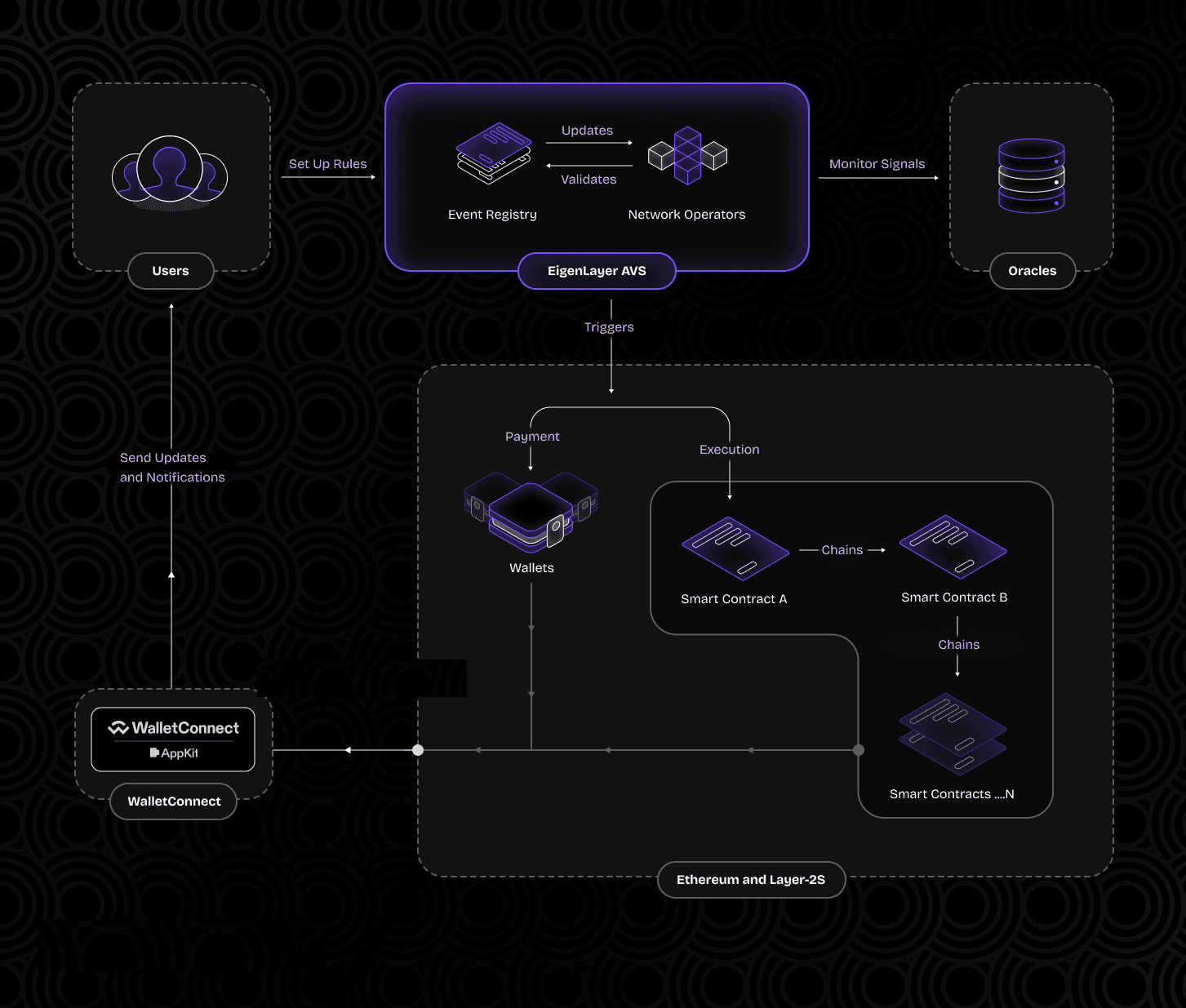
This is where EigenLayer’s restaking protocol changes the game. By allowing staked ETH to secure not just Ethereum itself but also new services (called Actively Validated Services or AVSs), EigenLayer creates a shared security pool for everything from data availability to complex computation, including AI agents.
The result? You can build dApps where every AI inference, every computation, is cryptographically attested and anchored on Ethereum’s trust layer. That’s a foundational shift for anyone serious about building autonomous agents or integrating advanced machine learning into smart contracts.
How EigenCompute Powers Verifiable Off-Chain Computation
EigenCompute lets developers run large-scale computations off-chain, think deep learning models or massive simulations, without sacrificing verifiability. It leverages Trusted Execution Environments (TEEs), which are secure hardware enclaves that execute code privately but produce cryptographic proofs of correct execution.
The magic here is in the attestation: After an AI model runs in a TEE, its output comes with a proof that anyone can verify on-chain. This means DeFi protocols can use advanced risk models without trusting centralized servers, and blockchain games can generate NPC actions or random events with provable fairness.
This approach sidesteps Ethereum’s gas limits while still preserving on-chain trust, a breakthrough for scaling complex applications without diluting security guarantees.
Introducing EigenAI: Trustless AI Services Anchored by Restaked ETH
If EigenCompute handles the heavy lifting of running computations securely, EigenAI provides the framework for deploying these models as trustless services. Think of it as an OpenAI-compatible API, but instead of relying on opaque infrastructure, every inference is secured by Ethereum validators who have restaked their ETH through EigenLayer.
This setup unlocks new possibilities:
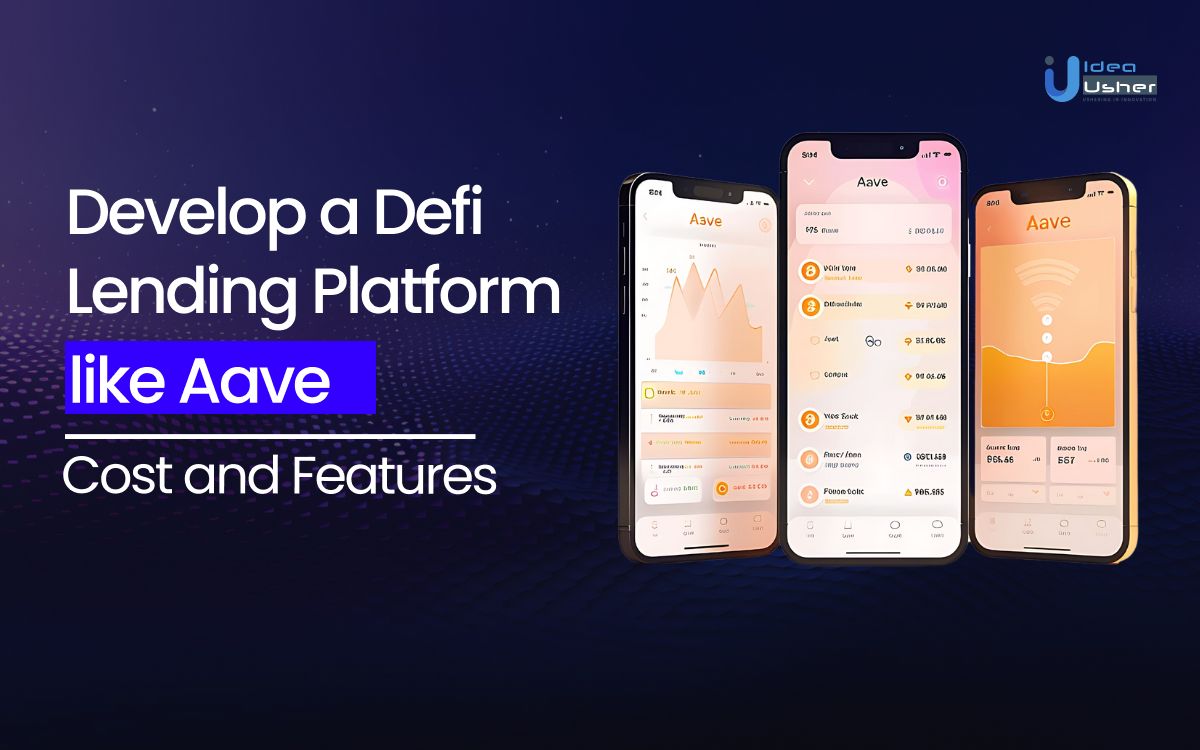
- DeFi platforms, like Aave or Compound, can integrate verifiable credit scoring models directly into their smart contracts (learn more about DeFi use cases here)
- On-chain games, such as Immutable and Gala Games, get tamper-proof NPCs whose moves are provably fair to all players
- Insurance protocols, like Nexus Mutual, automate claims assessment using off-chain data with provable correctness via EigenCompute (read more about insurance automation here)
The key ingredient? Economic incentives powered by restaked ETH. Validators earn additional rewards for securing these services, which means high uptime and reliability aren’t just technical goals; they’re baked into the economic fabric of the protocol.
The Current Market Context: Ethereum at $3,932.57 Drives Security for Verifiable Compute
The timing couldn’t be better. With Ethereum trading at $3,932.57 today, there’s more value than ever being pooled into staking protocols like EigenLayer. As more ETH gets restaked to secure AVSs, including those powering verifiable AI, the overall security budget grows alongside potential validator rewards.
This alignment between capital efficiency (restaking) and real-world utility (verifiable compute) is what makes EigenLayer so compelling right now, not just as an infrastructure play but as a catalyst for entirely new types of decentralized applications.
For developers and protocol designers, this means the barriers to building verifiable agents on Ethereum are rapidly falling away. You no longer need to bootstrap your own validator set or rely on closed-source infrastructure. Instead, you can tap into the pooled security of restaked ETH, leverage EigenCompute for heavy-duty AI inference, and expose those models via EigenAI’s OpenAI-compatible API, all with cryptographic guarantees every step of the way.
Top Real-World Use Cases for EigenLayer Verifiable AI Agents
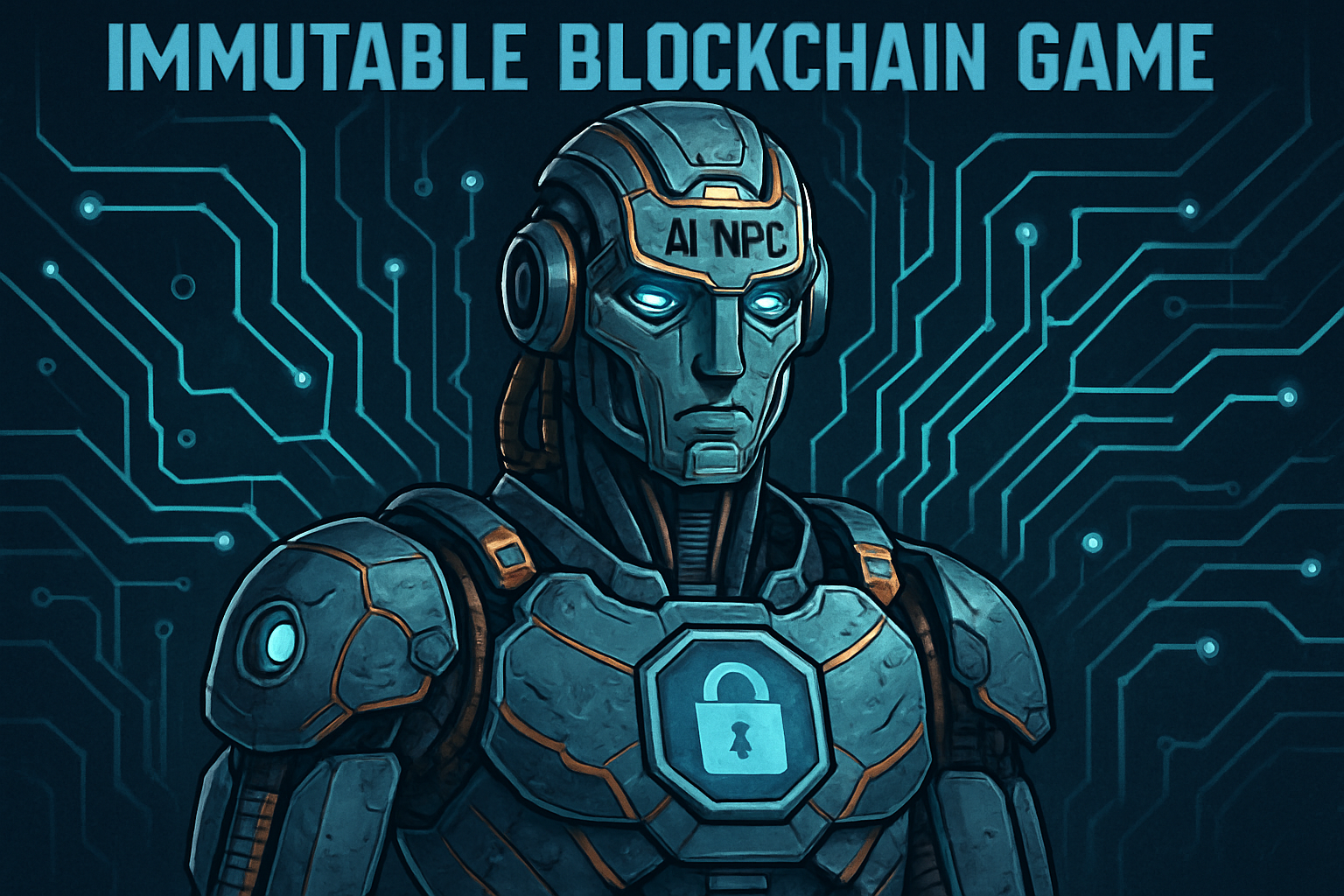
- Verifiable AI NPCs in Blockchain Gaming: Games built on platforms like Immutable and Gala Games can integrate AI-driven non-player characters whose actions and outcomes are provably fair and recorded on-chain, enhancing trust and gameplay transparency.
- Automated, Fraud-Resistant Insurance Claims: Decentralized insurance providers such as Nexus Mutual leverage EigenAI and EigenCompute for automated claims assessment. AI models process off-chain data with verifiable results, reducing fraud and expediting payouts.

- Secure and Trustless AI Data Marketplaces: Projects like Ocean Protocol can utilize EigenLayer’s verifiable compute to enable AI-driven data analysis and sharing, ensuring data privacy and result integrity for buyers and sellers.

- Decentralized Autonomous Agents for Asset Management: Platforms such as Yearn Finance can deploy verifiable AI agents for on-chain portfolio optimization and strategy execution, providing users with transparent, auditable results.
The result is a new paradigm: trustless AI agents that are as transparent as smart contracts. This isn’t just theoretical. We’re already seeing pilot deployments in DeFi credit scoring, provably fair gaming logic, and even automated insurance claims, all underpinned by the same restaking incentives that have made EigenLayer a cornerstone of Ethereum’s modular future.
What’s Next for Restaking and Verifiable AI?
The roadmap ahead is ambitious. As more protocols adopt EigenCompute and EigenAI, we’ll see an explosion of agentic applications, think DAOs with embedded AI treasurers, cross-chain arbitrage bots that prove their logic on-chain, or privacy-preserving medical data analysis secured by Ethereum restaking. The composability of these primitives means developers can mix-and-match off-chain compute, trustless APIs, and shared economic security to build things we haven’t even imagined yet.
Of course, there are still open questions around scalability and user experience. But the core ingredients, verifiable computation, economic alignment through restaking, and robust developer tooling, are now live on mainnet. With ETH at $3,932.57, the capital base for securing these next-gen services has never been stronger.
If you’re curious about how these pieces fit together technically or want to get hands-on with building your own verifiable agentic dApp, check out our deep-dive guide: How Crypto Guarantees Trust in Autonomous Apps.




No comments yet. Be the first to share your thoughts!