
Eigenlayer 2026: the shared security limits to account for
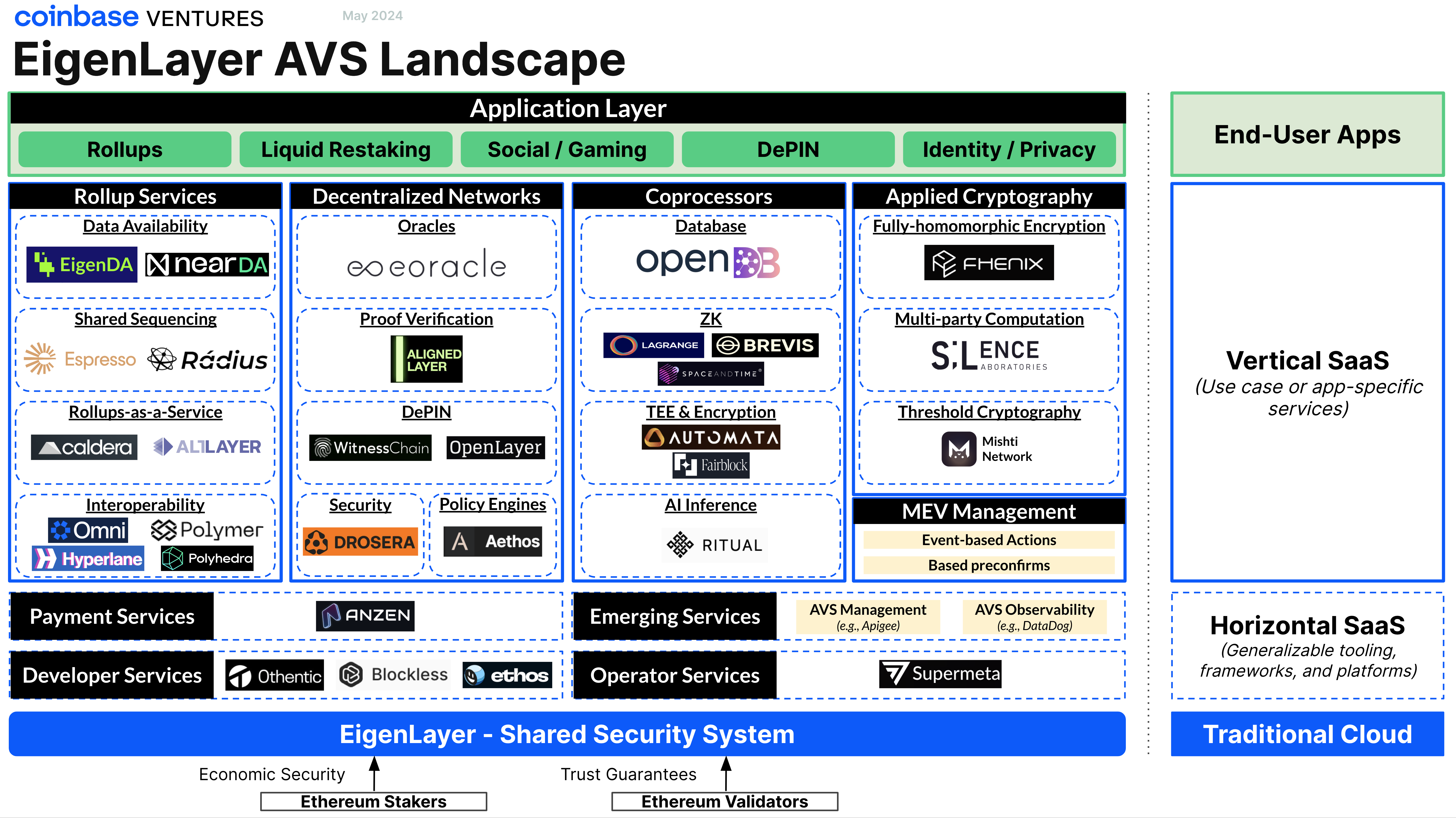
The core value of EigenLayer in 2026 is not just yield, but the ability to reuse staked Ethereum to secure other networks. This concept, known as restaking, creates a marketplace for trust where Ethereum stakers can support additional decentralized services. Instead of locking capital in one place, stakers can extend their security deposit to new protocols, earning extra yield while bolstering the broader ecosystem.
This model shifts the burden of security from isolated chains to Ethereum’s base layer. By leveraging the Ethereum whitepaper’s foundational principles of decentralized applications, EigenLayer allows operators to act as shared security providers. This means that the reliability of new projects depends directly on the economic security of Ethereum’s staked assets, creating a more interconnected and robust web3 infrastructure.
Eigenlayer 2026 choices that change the plan
Restaking introduces a "marketplace for trust" where Ethereum stakers can reuse their capital to secure additional services. This mechanism significantly boosts yield but introduces complex risk vectors that differ from standard staking. Evaluating EigenLayer in 2026 requires looking past the yield numbers to understand the underlying infrastructure dependencies.
Slashing Risk and Custody
When you restake ETH, you are extending your security deposit to new protocols. If those protocols fail or are compromised, your staked ETH is at risk of slashing. This is the primary tradeoff: higher potential returns for higher exposure to smart contract and operational failures. You are no longer just securing the Ethereum mainnet; you are vouching for the code of every integrated service.
Liquidity limits to account for
Restaked assets are often locked for the duration of the staking period, which can span months or years depending on the specific activeness requirements of the network. This reduces the liquidity of your capital compared to Liquid Staking Tokens (LSTs) that can be freely traded. In a volatile market, the inability to quickly exit a position can lead to significant opportunity costs or forced losses.
Centralization Pressures
As EigenLayer grows, the concentration of restaked ETH in a few large operators increases. This creates a centralization risk where a small number of entities control a disproportionate share of the network's security. If these operators collude or fail, the entire restaking ecosystem could face systemic issues. Monitoring operator distribution is essential for long-term health.
Complexity and User Experience
The technical overhead of managing restaked positions is higher than traditional staking. Users must navigate multiple interfaces, understand activeness requirements, and monitor the health of various integrated protocols. This complexity can lead to user error, such as misconfiguring slashing conditions or missing critical updates. The convenience of "set and forget" is largely absent.
| Factor | Benefit | Risk |
|---|---|---|
| Yield Potential | Higher APY than standard ETH staking | Yields may drop if demand for restaking decreases |
| Capital Efficiency | Single asset secures multiple protocols | Slashing on one protocol impacts all |
| Liquidity | Access to new DeFi opportunities | Assets often locked for extended periods |
| Ecosystem Growth | Supports new Web3 infrastructure | Centralization of large operators |
Choose the Next Step: A Decision Framework for Restaking
EigenLayer has evolved from a novel concept into a critical piece of Ethereum infrastructure. By allowing stakers to reuse their ETH or Liquid Staking Tokens (LST) to secure additional services, it creates a "marketplace for trust." However, this shared security model introduces new vectors for risk, particularly around smart contract vulnerabilities and slashing conditions. For 2026, the decision to participate in restaking should not be automatic. It requires a structured evaluation of your risk tolerance, technical capability, and yield expectations.
Use the following steps to determine if and how you should engage with restaked infrastructure.

Restaking amplifies both yield and potential loss. If you are uncomfortable with the possibility of slashing—losing staked assets due to validator misbehavior—start with low-risk AVSs (Actively Validated Services) that have minimal slashing conditions. Understand that restaking is not risk-free; it is a trade-off of liquidity for higher potential returns against higher operational risk.

Not all Active Validated Services are created equal. Review the smart contract audits and economic security models of the specific AVS you plan to support. Prioritize services with transparent governance and clear incident response plans. Avoid AVSs that promise unsustainable yields by relying on unproven or unaudited code. The security of your restaked ETH is only as strong as the weakest link in the AVS stack.
Restaking requires active management. You must monitor slashing conditions, manage liquidity, and potentially rebalance positions. If you lack the technical expertise to handle these tasks, consider using a managed restaking solution or sticking to native Ethereum staking. The complexity of managing multiple AVS exposures can lead to unintended consequences if not monitored closely.

Do not concentrate your restaked assets in a single AVS. Spread your exposure across multiple services to mitigate the risk of a single point of failure. This diversification helps protect your overall portfolio from the specific risks associated with any one protocol. Think of it as building a diversified investment portfolio rather than betting on a single outcome.
| Feature | Native Staking | EigenLayer Restaking |
|---|---|---|
| Yield Potential | Lower | Higher |
| Risk Level | Lower | Higher |
| Complexity | Low | High |
| Slashing Risk | Validator Only | Validator + AVS |
watchouts: misleading claims and weak options
As restaking matures into 2026, the narrative around shared security has attracted both builders and skeptics. While EigenLayer provides a genuine marketplace for trust, several common claims obscure the actual mechanics and risks involved. Understanding these nuances is essential for anyone evaluating restaked infrastructure as a primary security layer.
"Restaking is just Ethereum staking with extra yield"
This claim ignores the distinct risk profile of Actively Validated Services (AVSs). Restaked ETH secures new protocols, meaning validators now face slashing conditions tied to multiple, often experimental, smart contracts. The yield reflects this compounded risk, not a simple bonus. Treating it as passive income overlooks the active monitoring required to avoid penalties.
"EigenLayer solves Ethereum’s scalability trilemma"
Restaking improves security composition, not throughput. It does not add data availability or execution speed to the base layer. Projects using EigenLayer often rely on rollups or sidechains for scaling. Confusing shared security with scalability leads to unrealistic expectations about transaction costs and finality times.
"Shared security eliminates validator risk"
The opposite is true. By restaking, validators expose their entire stake to the failure modes of every AVS they support. If one AVS suffers a critical bug or exploit, the slashing conditions can trigger across all secured services. This creates a contagion risk that traditional single-purpose staking does not possess.
"All restaked protocols are equally secure"
Security is only as strong as the weakest AVS. Many early AVs are small, untested, or lack robust economic incentives. Assuming that the Ethereum base layer’s security automatically transfers to every connected service is a dangerous oversight. Due diligence on individual AVS code and economic models remains critical.
No comments yet. Be the first to share your thoughts!