
Choose your restaking path
EigenLayer offers two distinct ways to restake ETH: direct staking via EigenPods or using Liquid Restaking Tokens (LRTs). Your choice depends on your technical comfort and how much capital efficiency you need. Direct staking gives you full control but requires more effort. LRTs simplify the process and keep your assets liquid.
EigenPod: Direct Staking
EigenPods let you run your own validator node on Ethereum. You deposit ETH directly into the EigenLayer smart contract. This method is transparent and gives you the most control over your rewards. However, it requires technical knowledge to set up and manage. You also need a minimum of 32 ETH to run a full validator. This path suits experienced operators who want maximum yield and security.
Liquid Restaking Tokens (LRTs)
LRTs like Ether.fi or Renzo wrap your staked ETH into a tradable token. You deposit ETH into an LRT protocol, which then restakes it for you. This method is much easier and requires less capital. You get a token that represents your staked ETH and can be used in other DeFi protocols. This adds liquidity and yield opportunities. However, you rely on the LRT protocol’s security and smart contracts. This path suits users who want simplicity and flexibility.
Comparison: EigenPod vs LRTs
| Feature | EigenPod (Direct) | Liquid Restaking Tokens (LRTs) |
|---|---|---|
| Complexity | High (requires node setup) | Low (one-click deposit) |
| Capital Requirement | Minimum 32 ETH | Any amount |
| Liquidity | None (locked until withdrawal) | High (tradable token) |
| Yield Potential | Highest (no protocol fees) | Moderate (protocol fees apply) |
| Security Risk | Low (direct smart contract) | Medium (depends on LRT protocol) |
Execute the restaking transaction
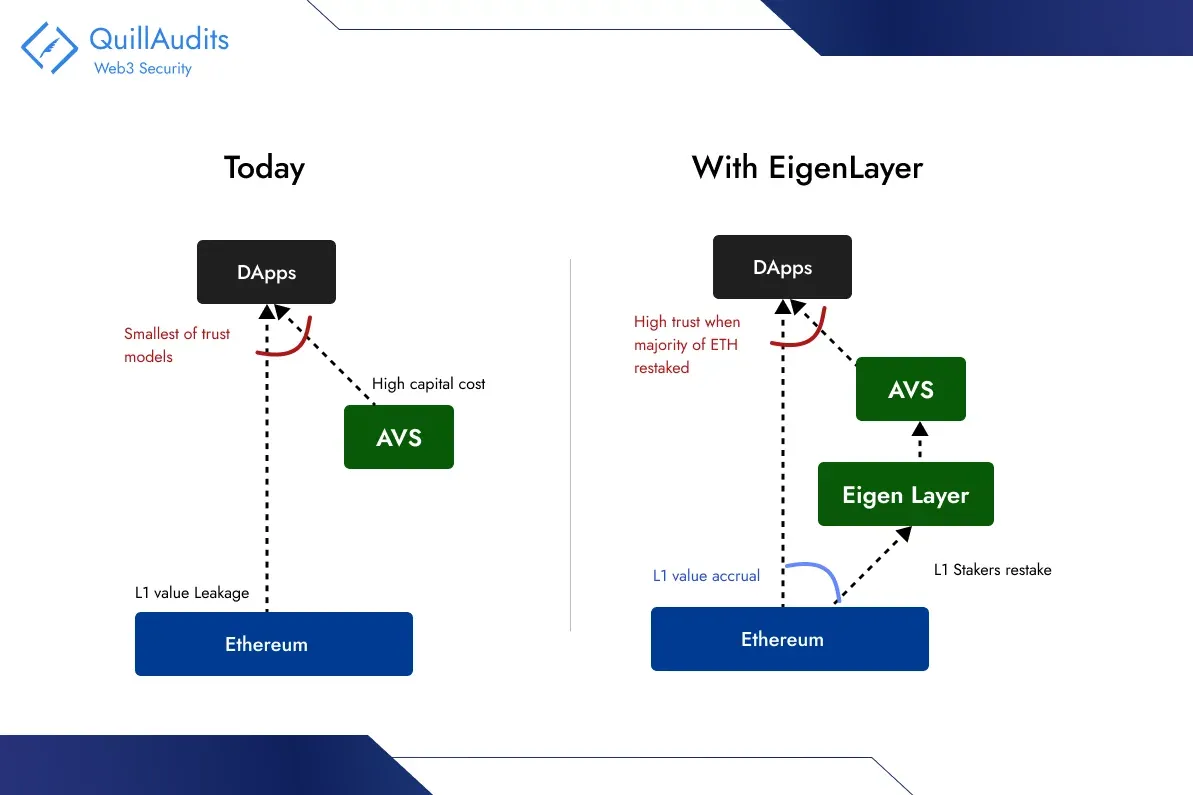
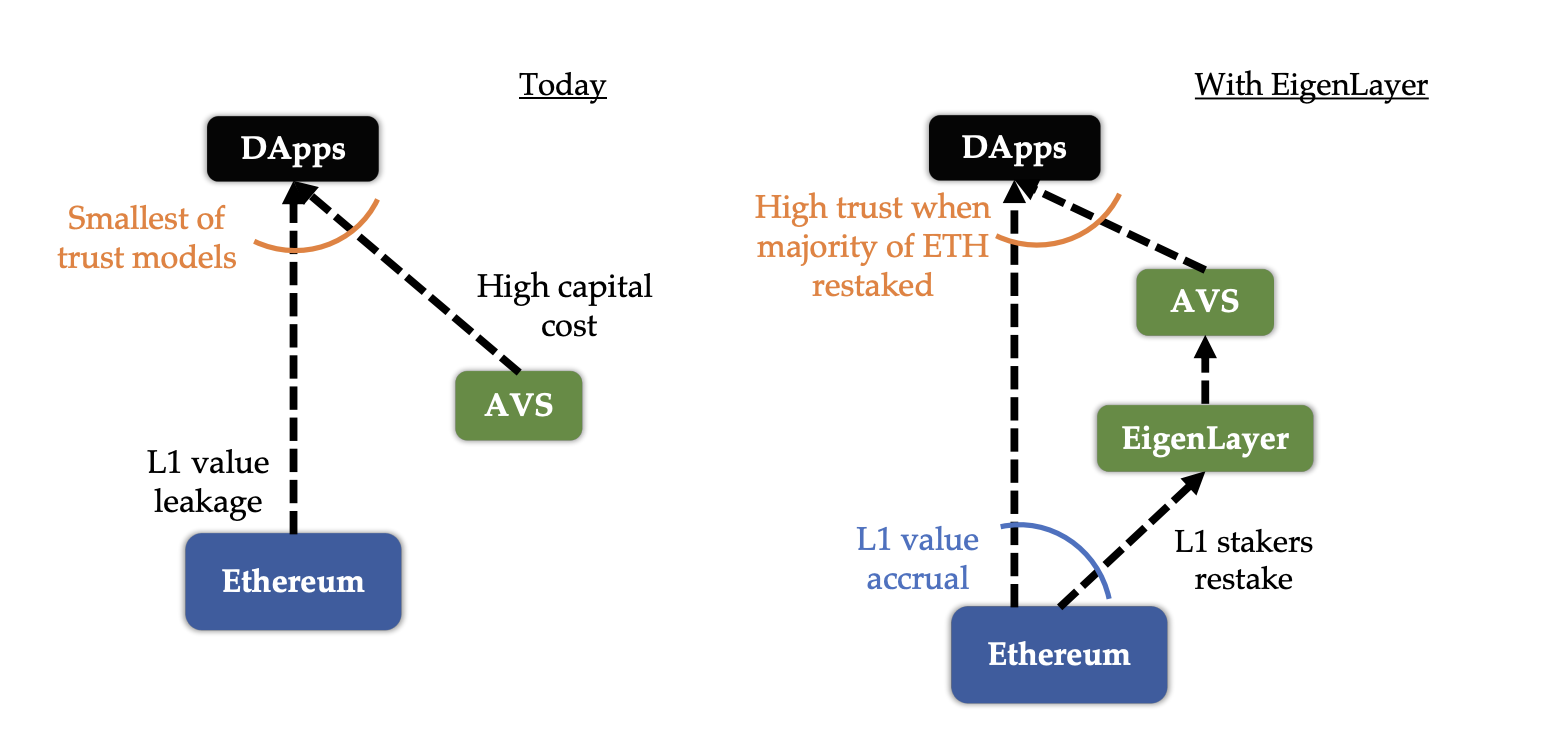
To begin restaking on EigenLayer, you need to deposit your Ethereum into the protocol’s smart contracts. This process converts standard ETH or staked ETH (stETH) into restaked assets, allowing you to earn additional yield from Actively Validated Services (AVS). The primary interface for this interaction is the EigenLayer official portal, which guides you through the deposit and delegation steps.
Navigate to the EigenLayer official website. Click the "Connect Wallet" button in the top-right corner and select your preferred Ethereum wallet provider, such as MetaMask or Coinbase Wallet. Ensure you are on the correct network (Ethereum Mainnet) before proceeding.
Once connected, choose the asset you wish to restake. You can deposit native ETH or liquid staking tokens like stETH. If you hold stETH, ensure it is from a reputable provider like Lido to maintain compatibility with the EigenLayer ecosystem. The interface will display the current balance of your selected asset.
Click the "Deposit" button. Your wallet will prompt you to approve the token spend limit for the EigenLayer contract. After approval, confirm the actual deposit transaction. This step locks your assets into the EigenLayer vault, making them available for restaking. Gas fees will apply at this stage.

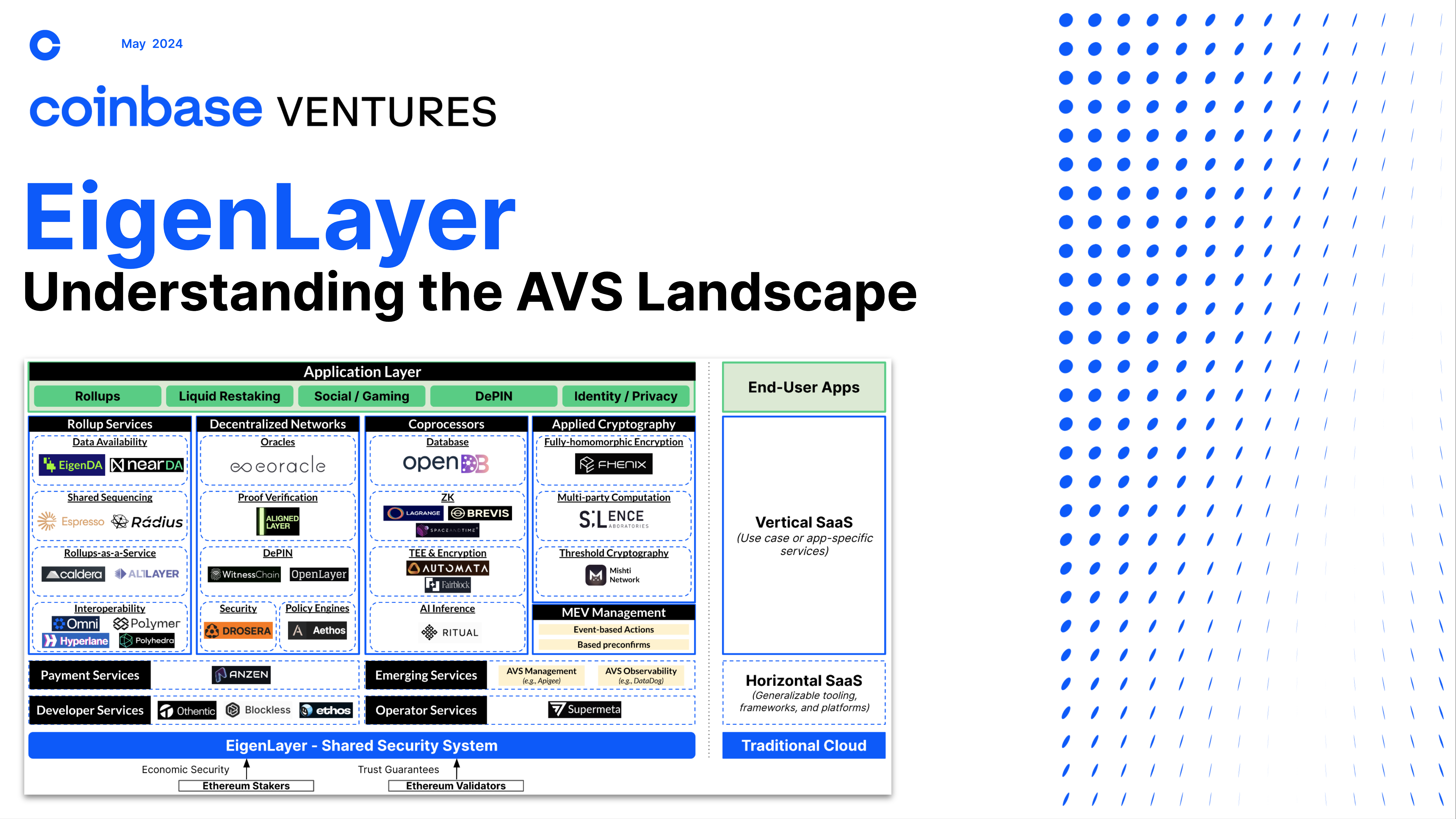
After depositing, you must delegate your restaked assets to an Actively Validated Service (AVS). Browse the available AVS options, such as Oracles, Data Availability layers, or MEV-boosters. Select an AVS that aligns with your risk tolerance and yield expectations. Each AVS may have different staking requirements and reward structures.
Review the delegation details, including the AVS name, expected yield, and any slashing conditions. Confirm the transaction in your wallet. This final step activates your participation in the AVS, and you will begin earning restaking rewards once the transaction is confirmed on-chain.
Gas costs are a significant factor in this workflow. Ethereum transaction fees can fluctuate based on network congestion. To minimize costs, consider executing deposits during off-peak hours or using Layer 2 solutions if supported by the specific AVS. Always check the current gas price before confirming transactions to avoid overpaying.
For those holding liquid staking derivatives, ensure your tokens are compatible with EigenLayer’s smart contracts. While most major LSTs are supported, some niche tokens may require bridging or conversion. Refer to the EigenLayer documentation for a complete list of supported assets to avoid failed transactions.
Select high-yield AVS opportunities
Actively Validated Services (AVSs) are the specific protocols that rent security from your restaked ETH. Choosing the right AVS is the primary lever for boosting your yield beyond standard Ethereum staking rewards, but it also introduces distinct smart contract and slashing risks.
Before opting in, verify the AVS’s security model. Look for protocols that have undergone formal audits by reputable firms and have a transparent history of payouts. EigenLayer provides a directory of registered AVSs, but the protocol itself does not endorse any specific service. You are responsible for due diligence on the individual AVS’s code and economic incentives.
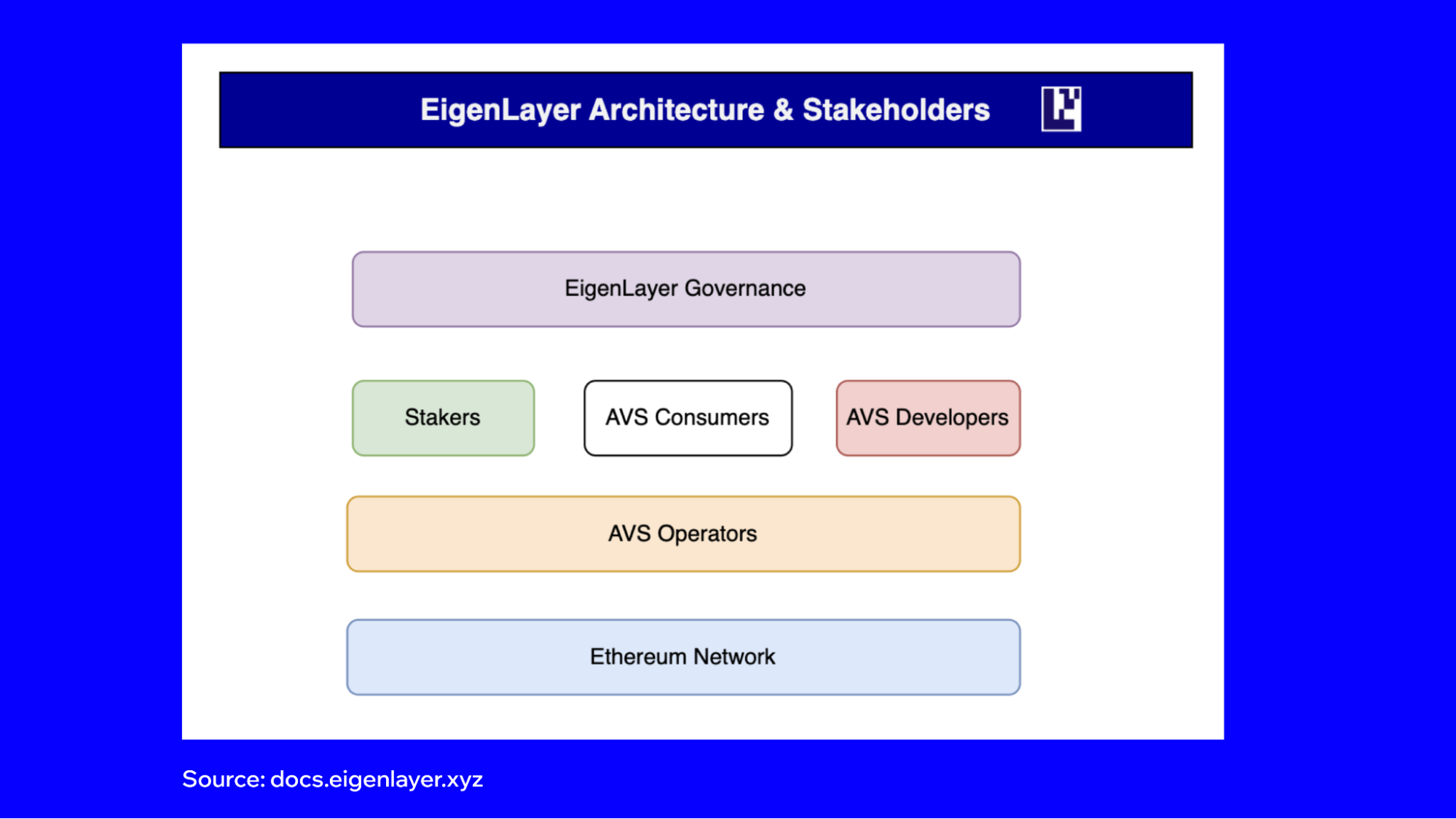
Evaluate the yield source. Sustainable yields come from genuine demand for the AVS’s service, such as data availability or oracle services. Avoid AVSs offering unrealistically high APYs, which often signal unsustainable token emissions or excessive risk exposure. Stick to established AVSs with proven track records and clear utility within the Ethereum ecosystem.
Manage slashing and misconfiguration risks
Slashing is the primary threat to restaked capital. When an EigenLayer-secured operator violates protocol rules or suffers a critical misconfiguration, the penalty can wipe out a significant portion of your stake. Unlike standard staking, where penalties are often capped or gradual, EigenLayer’s design means that a single severe violation on an Active Verification Service (AVS) can trigger immediate and substantial losses.
To protect your assets, you must treat operator selection as a due diligence process rather than a passive deposit. Configure your delegation strategy to favor operators with transparent track records and robust security audits. Regularly review the performance and health status of the operators you support. If an operator shows signs of instability or repeated errors, withdraw your stake immediately to prevent exposure to potential slashing events.
Consider using insurance mechanisms or diversified delegation strategies to mitigate risk. Spreading your stake across multiple reputable operators reduces the impact of a single failure. Additionally, stay informed about protocol updates and security best practices from official EigenLayer sources. Proactive management is the only reliable way to safeguard your yields against the inherent risks of restaking.
Verify rewards and withdraw when needed
EigenLayer restaking is not a set-and-forget strategy. You must actively monitor your AVS (Actively Validated Service) positions to ensure yields are accumulating as expected and to catch any slashing risks early. Tracking these rewards across multiple layers—ETH staking, EigenLayer restaking, and individual AVS contracts—requires checking each interface separately, as there is no single dashboard that aggregates all data.
Track your yields
Log into your staking dashboard (such as EigenPhi or the specific AVS interface) to verify your daily accruals. Compare the reported yield against the projected APY. If a specific AVS is underperforming or has paused distributions, note this immediately. Regular checks prevent surprises and help you decide whether to rebalance your exposure.
Prepare for withdrawal
Before initiating a withdrawal, you must unwind the position through the correct sequence. This is not instantaneous. You must first opt-out of the AVS contract, then wait for the unbonding period (typically 7 days for Ethereum, but potentially longer for EigenLayer or specific AVS rules). During this window, your assets are still at risk if a slashing event occurs.
-
Confirm AVS opt-out status is active
-
Check for any active slashing events or penalties
-
Verify sufficient ETH balance for gas fees during unbonding
-
Ensure no new staking commitments are active in the same wallet
Execute the withdrawal
Once the unbonding period expires and no slashing events have occurred, you can claim your principal and rewards. Submit the withdrawal transaction on the Ethereum mainnet. Double-check the recipient address to ensure funds go to a cold wallet or your desired exchange. Keep records of the transaction hash for tax reporting, as restaking yields are often taxable events in many jurisdictions.
EigenLayer Restaking FAQs
How long does the EigenLayer withdrawal queue take?
The withdrawal queue length varies based on network congestion and the total amount of ETH attempting to exit. Historically, queues have ranged from a few days to several weeks. You can monitor the current queue status on the EigenLayer dashboard or via block explorers to estimate your wait time.
What is the difference between slashing and penalties?
Penalties are minor deductions for things like being offline or slow responses. Slashing is a severe penalty for malicious behavior or critical failures, resulting in the loss of a significant portion of your staked ETH. Slashing events are rare but can be catastrophic for individual delegators.
Can I restake liquid staking tokens (LSTs) like stETH?
Yes. You can deposit LSTs like stETH or rETH directly into EigenLayer. This allows you to earn restaking yield on top of the base staking yield provided by the LST issuer. However, you must ensure the LST is compatible with EigenLayer’s smart contracts.
How do I track my restaking rewards?
There is no single unified dashboard for all EigenLayer rewards. You must check your ETH staking rewards on your validator client or staking provider, your EigenLayer restaking rewards on the EigenLayer portal, and your AVS-specific rewards on the respective AVS dashboard. Tools like EigenPhi can provide some aggregated insights.
No comments yet. Be the first to share your thoughts!