In 2026, EigenLayer’s Actively Validated Services (AVSs) power a maturing restaking ecosystem, where operators shoulder Ethereum’s expanded security mantle. Hardware demands diverge sharply by AVS, from lightweight oracles to compute-intensive rollup validators, directly impacting setup costs and profitability. Savvy operators benchmark specs against yields, prioritizing efficiency in a competitive field.
AVS Hardware Variability: From Minimal to Demanding
EigenLayer AVS operator hardware requirements hinge on service type. Legacy setups like Ava Protocol or RedStone tolerate 1 vCPU, 1-2 GB RAM, and 1-100 GB storage, runnable on EC2 c6gd. medium instances. Yet 2026 frontrunners demand more. AltLayer’s MACH AVS mandates 4 CPUs, 16 GB memory, and 50 GB SSD on Ubuntu 24.04 LTS with Docker v24 and EigenLayer CLI. Its Soneium Fast Finality Layer mirrors these specs, plus full node RPC access.
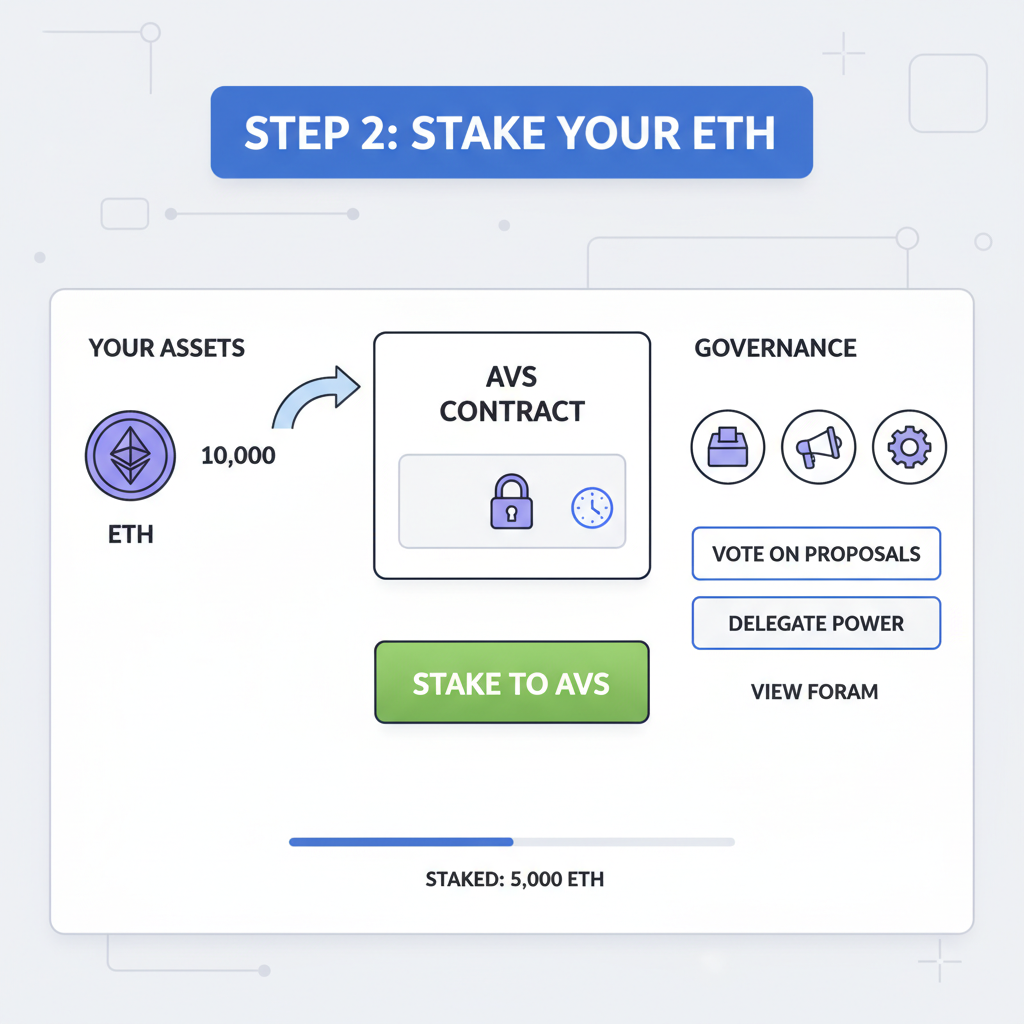
EigenDA sets the staking bar: 96 ETH for Ethereum group operators or 1 EIGEN for its group, underscoring economic alongside compute hurdles. GitHub guides recommend VPS with elevated vCPUs for optimal AVS performance, signaling no universal minimum but clear performance tiers.
EigenLayer AVS Operator Hardware Requirements Comparison (2026)
| AVS | CPU | RAM | Storage | Additional Notes | Staking Requirement |
|---|---|---|---|---|---|
| AltLayer MACH | 4 CPUs | 16 GB | 50 GB SSD | Ubuntu 24.04 LTS, Docker v24, EigenLayer CLI, Full node or RPC access | N/A |
| AltLayer Soneium | 4 CPUs | 16 GB | 50 GB SSD | Ubuntu 24.04 LTS, Docker v24, EigenLayer CLI | N/A |
| EigenDA | Not specified (staking-focused) | Not specified | Not specified | Linux VPS recommended; EigenLayer operator config CLI | ETH group: ≥96 ETH; EIGEN group: ≥1 EIGEN |
| RedStone | 1 vCPU | 2 GB | 1 GB | Stable and fast internet | N/A |
| Ava Protocol | 1 vCPU | 1 GB | 100 GB | Linux/MacOS; EC2 equiv: c6gd.medium, m6g | N/A |
Quantifying 2026 Setup Costs: Cloud vs On-Premise
Setup costs for EigenLayer AVS operators blend upfront capital and recurring ops. A baseline RedStone-like node on AWS m6g. medium (~$0.04/hour) tallies $30 monthly, scaling to $100 and for AltLayer profiles via c6gd. xlarge equivalents. Factor Docker orchestration, CLI installs, and RPC endpoints; total first-month outlay hits $200-500 for mid-tier rigs, per Kiln’s native restaking analysis.
On-premise appeals for scale: a used Dell R740 with 4 cores/16 GB (~$800 one-time) amortizes over years, slashing costs 70% post-Year 1 versus cloud. Arm-based Graviton instances cut bills further, aligning with EigenCloud configs. Operators backtest ROI via Python sims: at 5% AVS yield, breakeven clocks 3-6 months on efficient hardware.
Staking Thresholds Shape Operator Economics
Beyond silicon, staking minimums define entry. EigenDA’s 96 ETH threshold (~30% of small validators’ pods) filters casuals, favoring institutions. EIGEN’s 1 EIGEN lowers barriers for natives, yet total restaked TVL pressures delegation strategies. Figment notes AVS-specific risks-rewards; high-load services like sequencing demand robust setups, yielding 2-5x base staking APRs.
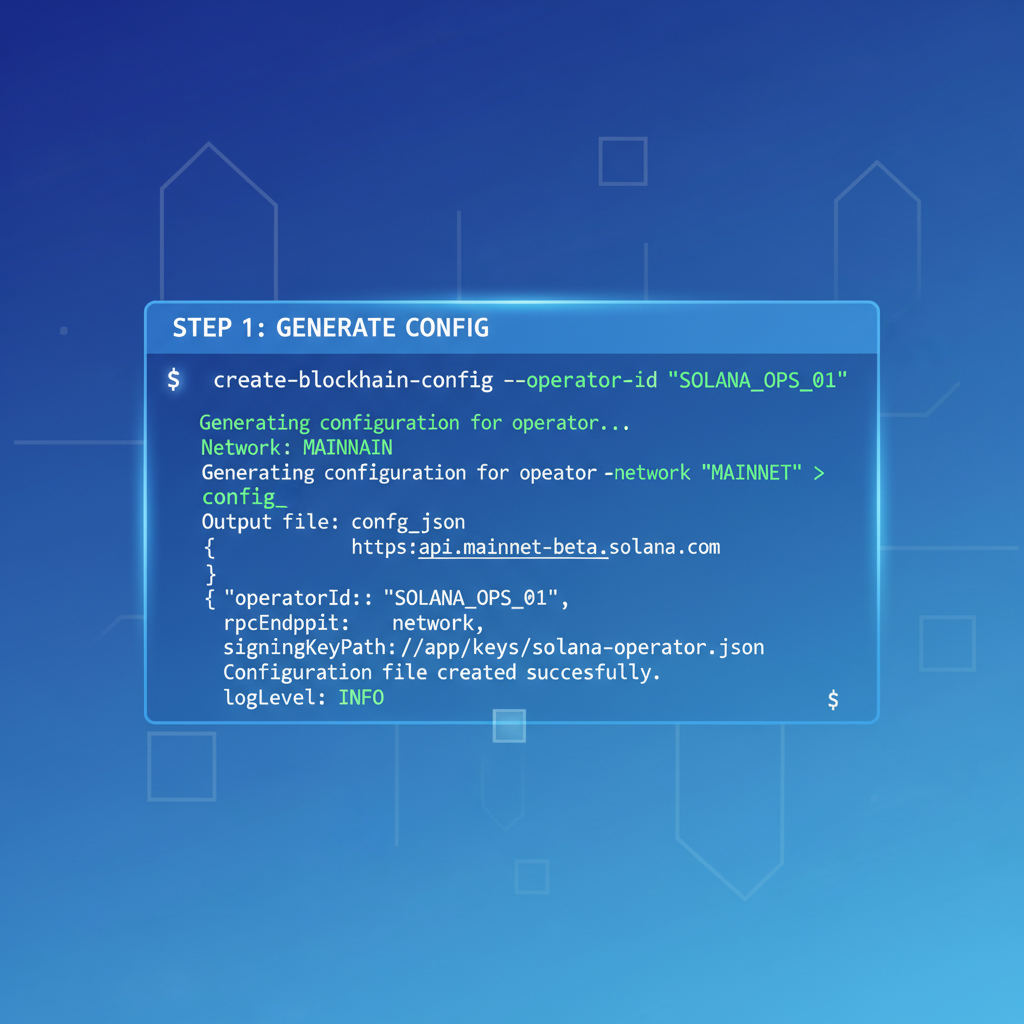
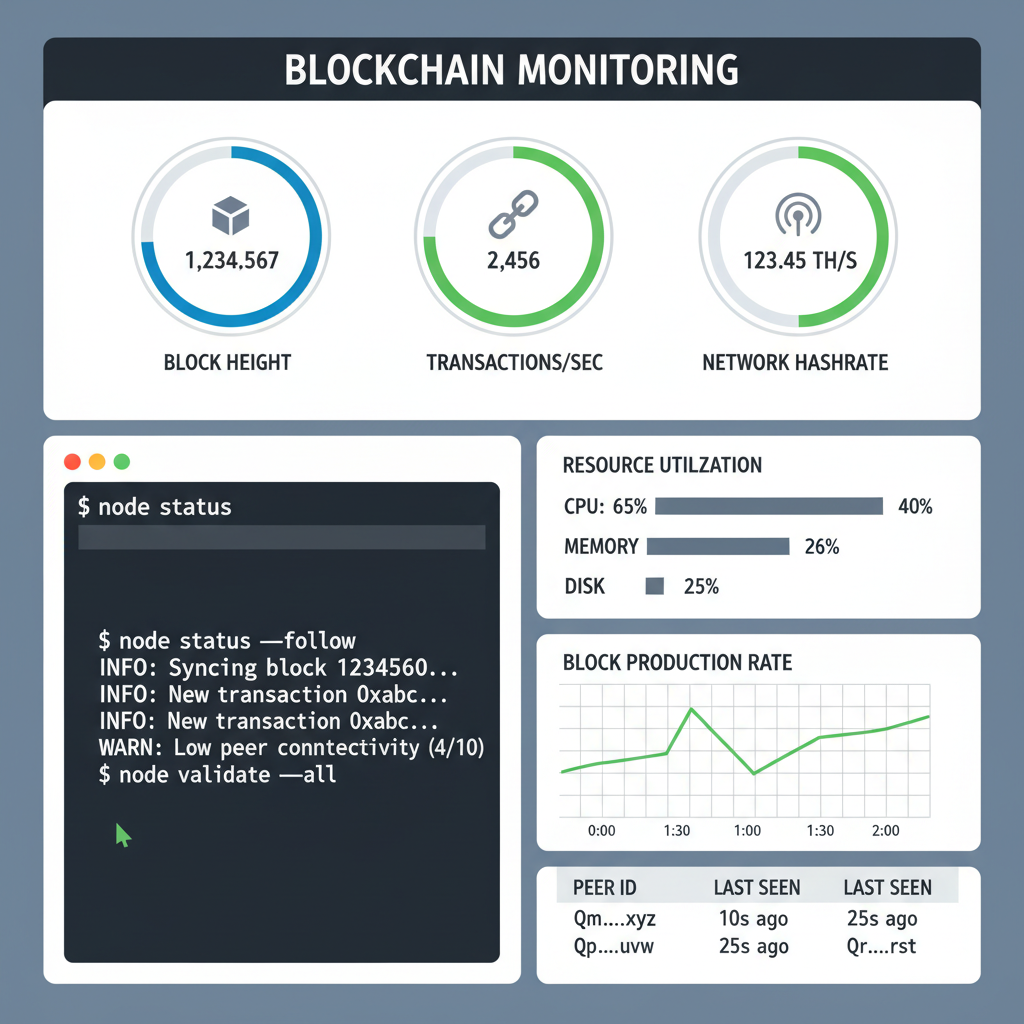
Chainbase and moeenxyz guides stress config generation via eigenlayer operator config, bridging hardware to registration. In 2026, hybrid clouds – Kubernetes on spot instances – optimize, backtested for 99.9% uptime at 40% cost savings. Operators code bots to monitor AVS loads, dynamically scaling vCPUs against slashing risks.
Profit margins tighten as AVS competition heats up, pushing operators toward Arm-optimized instances like AWS Graviton3. These deliver 20-30% better price-performance than x86, per EigenCloud benchmarks, ideal for Docker-heavy workflows. Python devs script auto-scalers: monitor CPU via Prometheus, spin down idle cores, and dodge overprovisioning pitfalls.
Cost Breakdown: One-Year Projections for 2026
Let’s crunch numbers for a typical AltLayer operator. Cloud route: c6gd. xlarge at $0.17/hour runs $120/month, plus $50 RPC fees and $20 bandwidth, totaling $2,200 yearly. On-premise alternative – a $1,200 mini-PC with 4 cores/16GB/SSD – adds $200 power/network, netting $1,600 annually. Subtract staking delegation fees (1-2%) and you’re eyeing positive cashflow if AVS yields exceed 8% APR.
Kiln’s analysis flags native restaking opsex as a drag, but 2026 upgrades like EIP-7702 slash gas by 50%, boosting net yields. Backtests on historical data show top-quartile operators netting 12-18% ROI, code-available on GitHub repos. Ethereum restaking operator guide: prioritize spot instances for non-critical AVSs, reserving reserved for high-stakes like EigenDA.
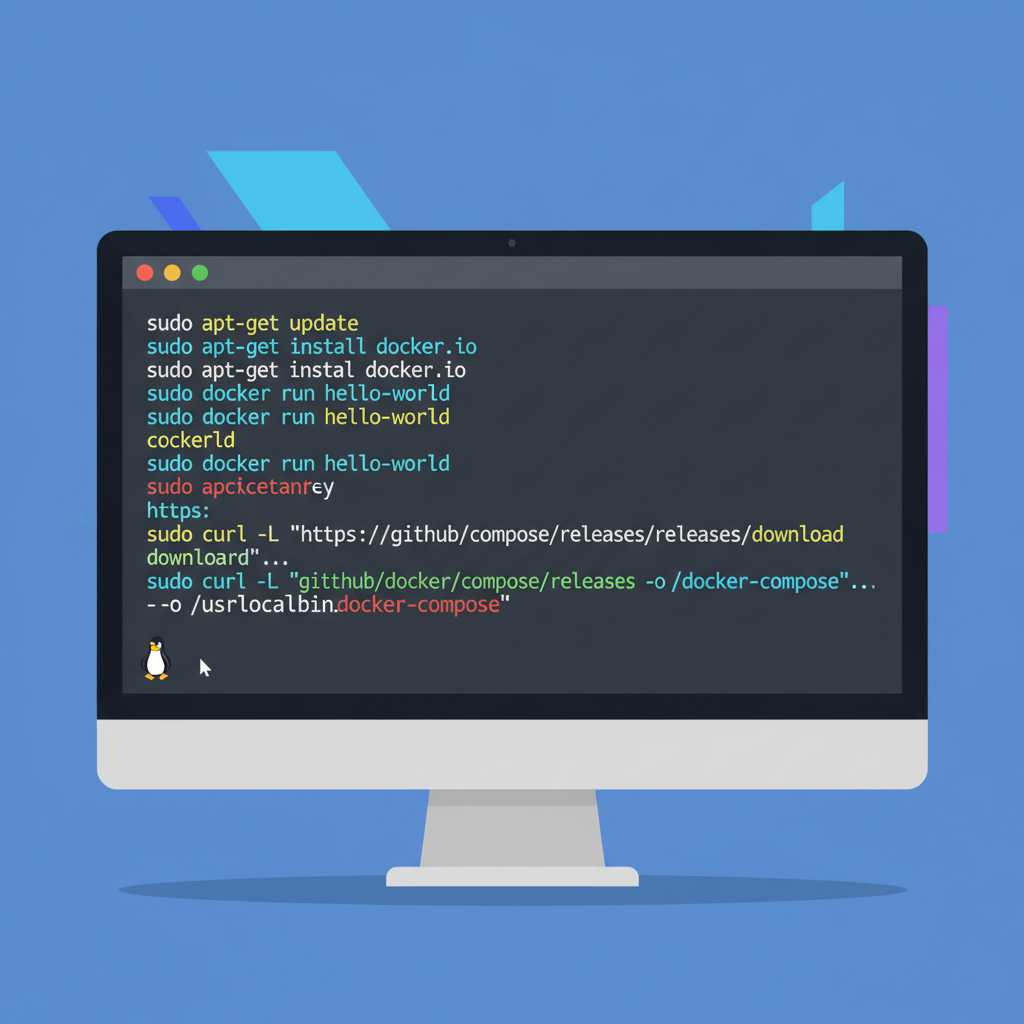
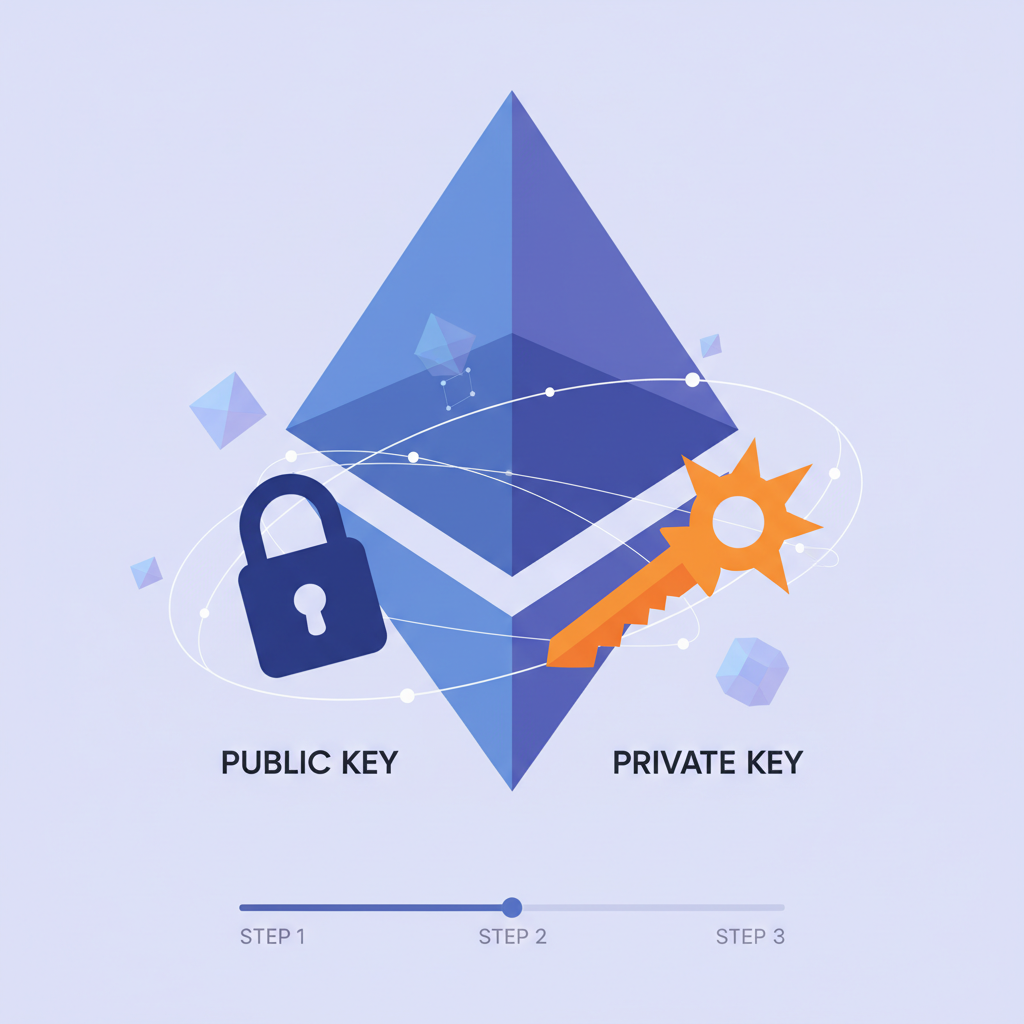
2026 EigenLayer AVS Operator Quick-Start: Config, Register, Launch
Risks, Slashing, and Uptime Imperatives
No free lunch in restaking. Downtime slashes rewards; AltLayer mandates 99% uptime, enforceable via EigenLayer’s slashing economics. Hardware failures amplify risks – redundant PSUs and RAID storage mitigate, costing $300 upfront but saving thousands in lost yield. RedStone’s stable internet caveat rings true: 1Gbps minimum, with failover ISPs for enterprise-grade ops.
AVS-specific gotchas abound. Sequencing AVSs chew bandwidth (10TB/month), while oracle feeds like Chainbase demand low-latency RPCs. Operators hedge via multi-AVS diversification: run lightweight RedStone alongside heavy AltLayer, balancing loads. My take: ignore FOMO; simulate your stack first. A simple Python backtest – fetch AVS metrics via API, project yields against costs – separates winners from tourists.
2026’s AVS landscape favors innovators. With TVL cresting new highs, operators blending hardware thrift with staking savvy capture outsized shares. EigenLayer AVS operator hardware specs evolve quarterly; track docs. altlayer. io and EigenLayer CLI releases religiously. Setup costs drop as commoditization hits – expect 4-core/16GB rigs under $500 by Q4.
Bottom line: entry barriers guard fat yields. Stake smart, spec right, automate ruthlessly. Code your edge, backtest relentlessly, execute. The restaking gold rush rewards the prepared.
About the Author